
Durability of Ceramic Coating in Harsh UV Environments
If you park your vehicle outside in a high-sun climate, the damage begins long before you notice it. UV radiation works slowly and quietly, breaking down your clear coat, accelerating oxidation, and pulling the depth and gloss out of your paint one hot day at a time. By the time fading becomes visible, the damage has already been building for months or years.
Ceramic coating is one of the most effective long-term defenses available for vehicle paint in these conditions. But durability depends on more than simply applying a coating and hoping for the best. Chemistry, installation quality, environmental exposure, and ongoing maintenance all shape how long a ceramic coating actually performs in a demanding UV environment. Here is what vehicle owners in high-sun climates need to understand before making a decision.
Why UV Exposure Is So Hard on Vehicle Paint
Sunlight is not a single uniform force. The ultraviolet spectrum it carries interacts with your vehicle's clear coat and paint layers in ways that are chemically disruptive over time.
The primary mechanism is photo-oxidation. When UV energy contacts your clear coat, it triggers oxidation reactions in the paint molecules beneath. Over time, these reactions break down the chemical structure of the surface, producing the dullness, chalking, and fading that are common in vehicles that spend significant time in direct sunlight.
Heat compounds the problem. Dark-colored vehicles and horizontal surfaces like hoods, roofs, and trunk lids absorb solar energy and reach surface temperatures far beyond ambient air temperature. Repeated heat cycling causes the clear coat to expand and contract, weakening its structural integrity and making it more vulnerable to contamination, micro-marring, and further UV penetration.
In high-UV climates, untreated paint can lose noticeable gloss and clarity within a few years of regular outdoor exposure. The horizontal panels age first and fastest because they receive the most direct, sustained solar energy throughout the day.
What Makes Ceramic Coating More Durable Than Wax or Sealants
The durability difference between ceramic coating and traditional protection products is not just a matter of degree. It is a matter of chemistry.
Wax sits on top of the clear coat as a thin organic layer. It provides limited UV buffering but breaks down within weeks under heat, washing, and ongoing sun exposure. It requires frequent reapplication and offers minimal protection in climates where UV intensity is consistently high.
Synthetic sealants perform better, typically lasting several months before degrading. They form a more stable polymer layer, but their photostability is still limited compared to ceramic-based formulations.
Ceramic coatings work differently. The active compound in most ceramic coatings is silicon dioxide, commonly referenced as SiO₂. When properly applied, SiO₂-based ceramic coatings form a chemically bonded layer directly on top of the clear coat rather than simply sitting on the surface. This bond is semi-permanent, meaning it resists washing, heat, and chemical exposure far more effectively than wax or sealants.
Some professional-grade formulations also incorporate titanium dioxide, or TiO₂, which improves UV filtering and scattering capacity. These compounds contribute to stronger photostability, meaning the coating degrades more slowly when exposed to ongoing UV energy.
The result is a protective layer that is measurably harder, more chemically resistant, and more capable of maintaining gloss and water-shedding performance over time than anything you can apply and reapply in a few minutes at home.
How Ceramic Coating Performs in Harsh UV Environments
Once cured, a properly applied ceramic coating performs several protective functions simultaneously.
The hardened SiO₂ layer absorbs, reflects, and dissipates UV energy before it reaches the clear coat and paint underneath. This reduces the rate of photo-oxidation, slowing the fading and dulling process that untreated vehicles experience. Some premium formulations also help manage surface heat, contributing to a cooler surface temperature compared to unprotected paint during peak sun hours.
Alongside UV resistance, ceramic coatings maintain strong hydrophobic behavior. Water beads tightly and sheets off the surface efficiently, which reduces the risk of standing water sitting under direct sunlight and creating water spots through the lens effect. In high-sun environments, water spots can etch into the clear coat during evaporation, so effective hydrophobicity is a meaningful secondary benefit.
Gloss retention is one of the most visible performance indicators. A well-maintained ceramic coating holds gloss depth significantly longer than wax or sealants in demanding UV conditions, which is especially relevant for luxury and enthusiast vehicles where paint quality is central to the ownership experience.
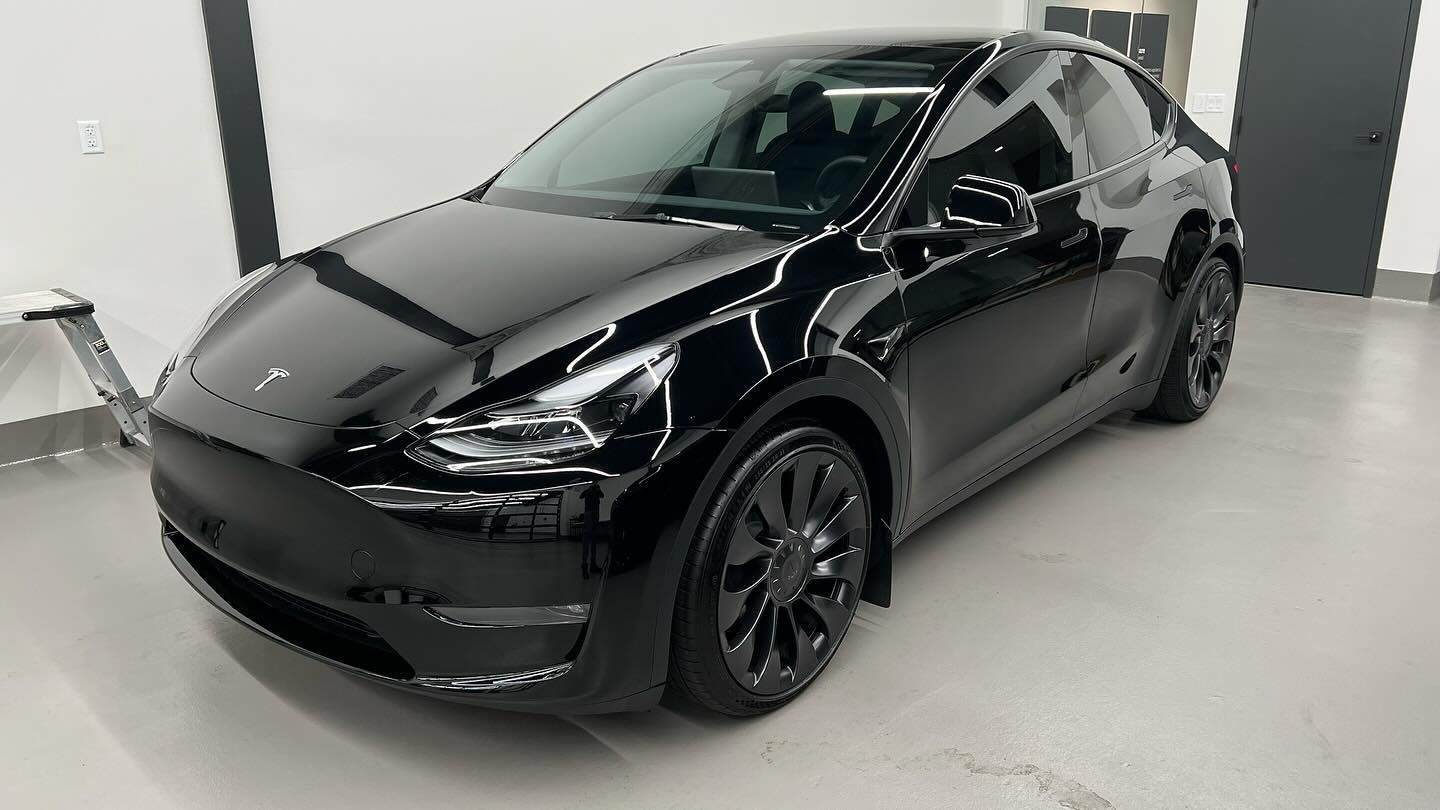
How Long Does Ceramic Coating Last in Extreme Sun
Realistic expectations matter here. Ceramic coating is not permanent, and high-UV environments accelerate wear regardless of coating quality.
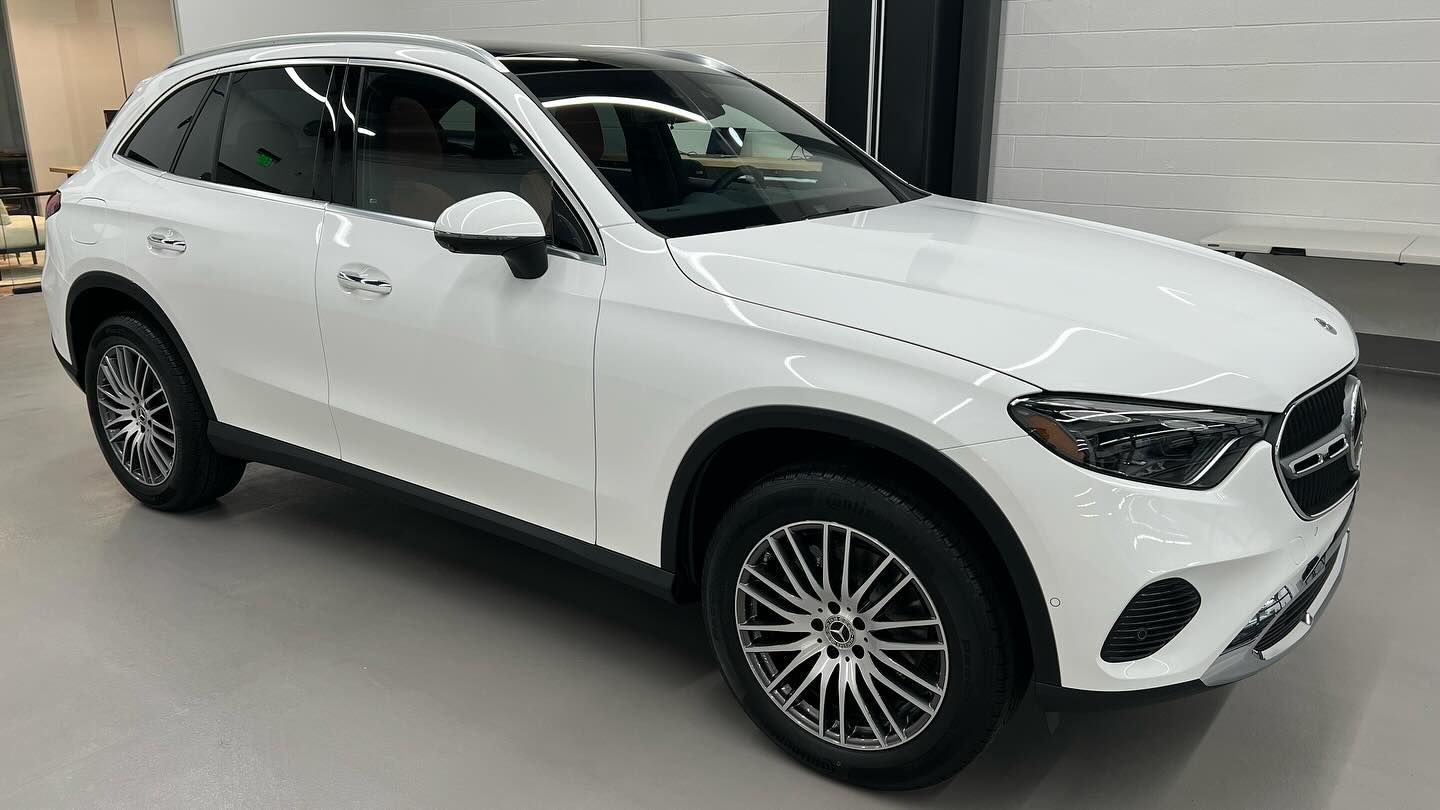
Under demanding UV exposure conditions, professional-grade ceramic coatings typically remain effective for roughly three to five years before meaningful performance loss becomes apparent. Accelerated UV testing conducted in laboratory settings, using equipment designed to simulate outdoor weathering, generally shows measurable degradation beginning to emerge after 500 to 1,000 hours of sustained UV exposure. Industry correlation estimates suggest that 1,000 hours in an accelerated UV chamber approximates one year of intense outdoor exposure in a high-UV region.
Performance does not vanish overnight. Degradation is gradual. The coating slowly loses its ability to shed water as tightly, gloss may begin to flatten, and the surface may feel slightly less slick under hand contact. These early signs typically appear before the coating has fully failed, which creates an important maintenance window where intervention can extend overall performance.
What Shortens Ceramic Coating Lifespan
Several factors accelerate the degradation of ceramic coatings in high-UV environments.
Constant outdoor parking is the most significant. Vehicles that are never garaged or covered receive uninterrupted UV exposure, compressing the effective lifespan compared to vehicles that are sheltered during peak hours.
Improper washing is another common contributor. Harsh chemical cleaners, abrasive wash tools, and automatic car washes with stiff brush systems physically degrade the coating layer over time. These habits strip away slickness and hydrophobicity faster than UV exposure alone.
Lower-grade formulations present additional risk. Coatings with weaker cross-linking in their SiO₂ structure offer less photostability and begin to fail sooner under sustained UV load. Installation preparation also matters significantly. A coating applied over surface contamination, unaddressed swirl marks, or uncorrected paint defects will not bond properly, reducing both adhesion and longevity.
Neglecting maintenance is also a factor that many owners overlook. Ceramic coatings benefit from periodic professional inspection and, where appropriate, maintenance topper products that refresh hydrophobicity and add a supplemental protective layer without requiring full removal and reapplication.
Ceramic Coating vs. PPF in High UV Climates
Paint protection film and ceramic coating are often discussed as competing products, but they are better understood as complementary solutions that address different types of damage.
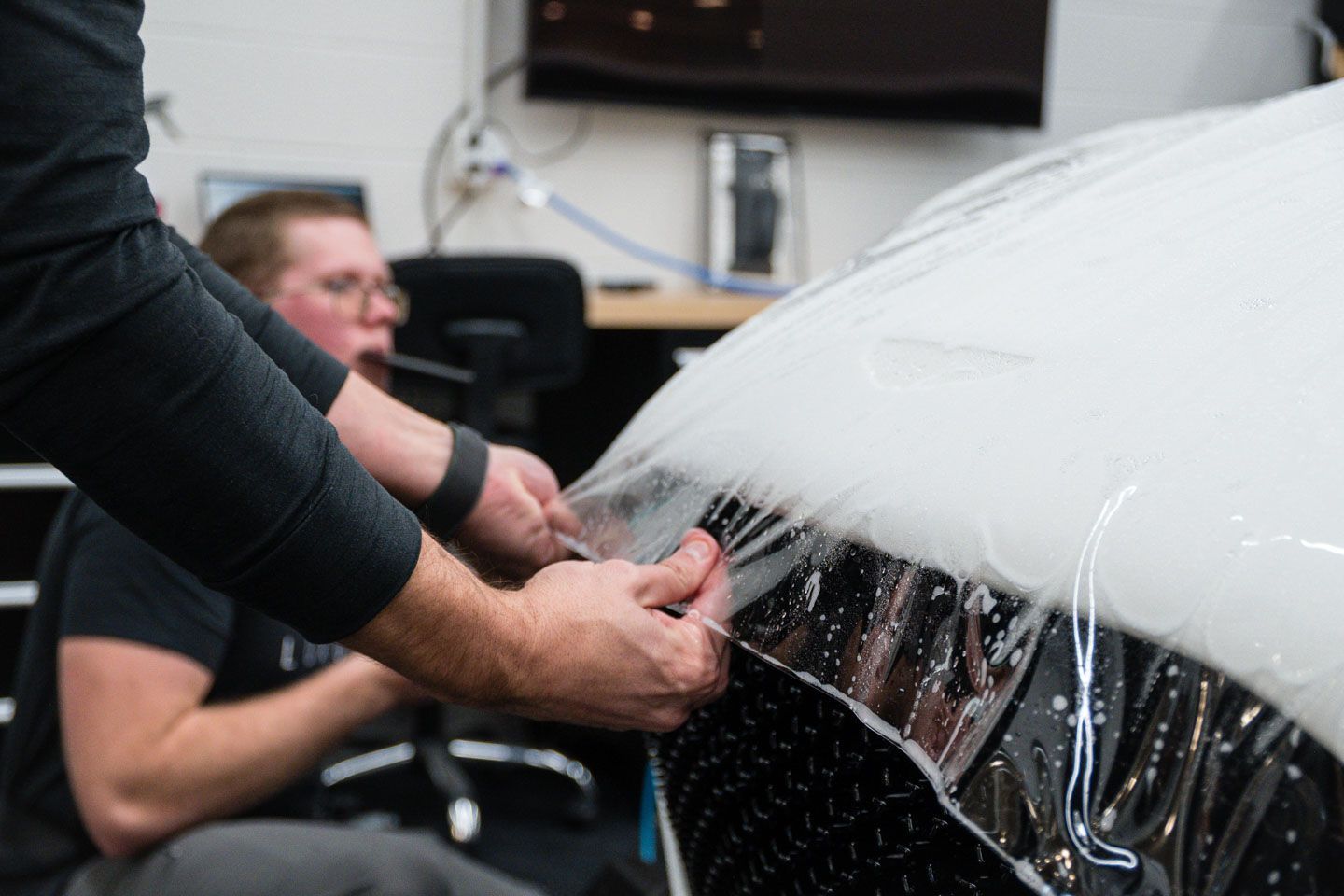
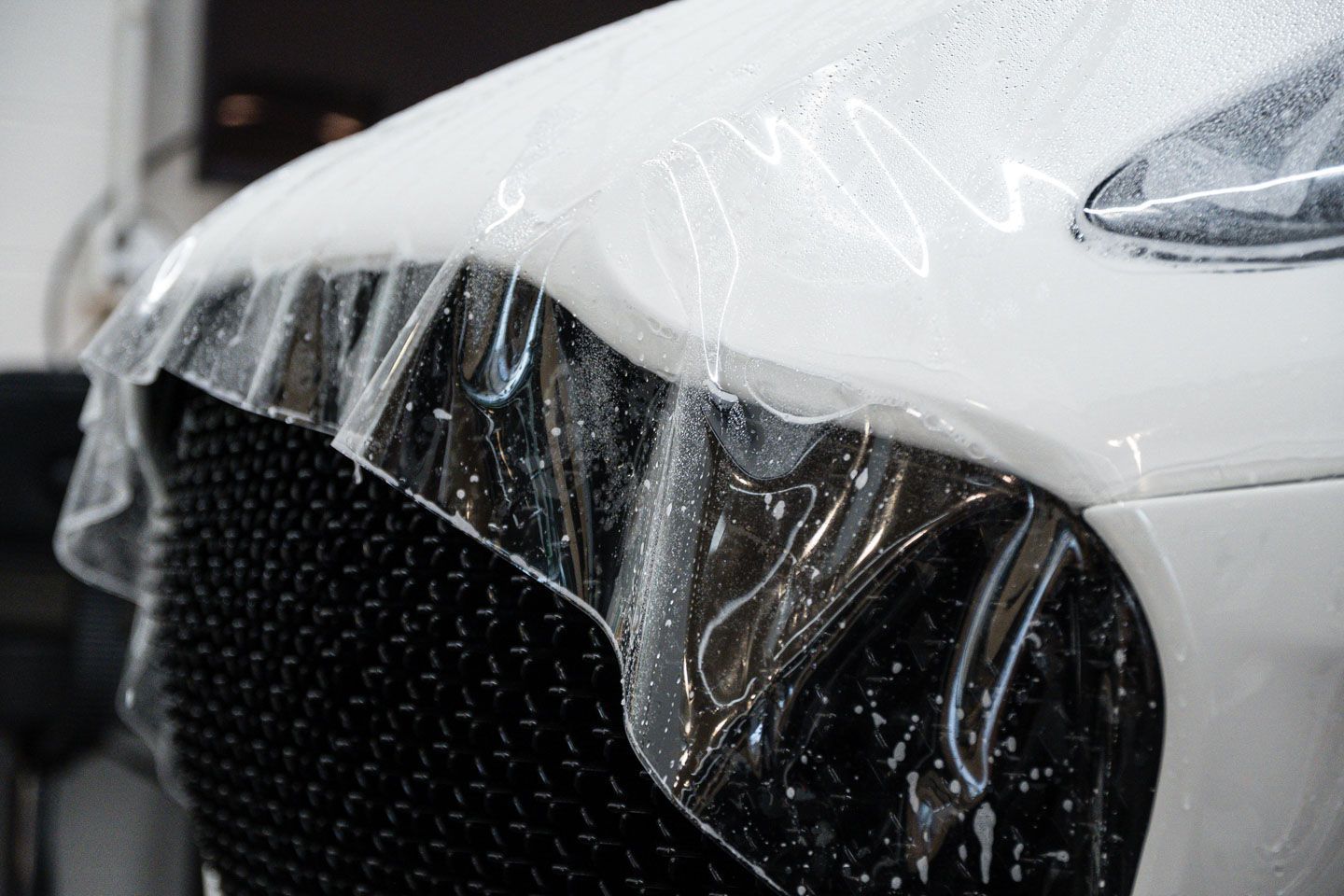
PPF is a thick thermoplastic urethane film, typically six to eight mils in thickness, designed to absorb and resist physical impact. It handles rock chips, road debris, and minor abrasions in ways that ceramic coating cannot. However, PPF does not inherently solve for UV damage, chemical contamination, or long-term gloss maintenance the way ceramic coating does.
Applying ceramic coating on top of PPF serves a specific purpose in high-UV climates. The ceramic layer helps reduce UV stress on the film itself, lowering the risk of discoloration or yellowing that some older PPF materials develop with sustained sun exposure. It also makes the film surface more hydrophobic and easier to maintain. For owners of luxury or high-value vehicles that want comprehensive protection, a PPF-plus-ceramic combination addresses both impact vulnerability and UV degradation within a single system.
Signs Your Ceramic Coating Needs Maintenance or Reapplication
Knowing when to act is as important as the initial installation. Several performance indicators signal that a coating is beginning to lose effectiveness.
Reduced hydrophobicity is typically the first visible sign. Water that once beaded tightly and rolled off the surface begins to sheet more flatly, linger longer, or bead in a less defined pattern. This does not necessarily mean the coating has failed, but it indicates the hydrophobic performance is declining.
Lower gloss depth is the next common indicator. A surface that once had noticeable reflective clarity may begin to look slightly flat or muted, especially on horizontal panels that receive maximum sun exposure.
More stubborn contamination that was previously easier to rinse away is another signal. As the protective layer weakens, bonding between the surface and environmental contaminants like water minerals, industrial fallout, and road grime becomes stronger.
Surface feel is a secondary check. A properly functioning ceramic coating has a distinctive slickness under a clean hand. As performance fades, that slickness diminishes.
Horizontal panels, particularly the hood, roof, and trunk, are where degradation appears first in high-UV environments. Monitoring these areas proactively allows owners to address performance decline before full reapplication becomes necessary.
How Luxury Car Care Helps Maximize Ceramic Coating Durability
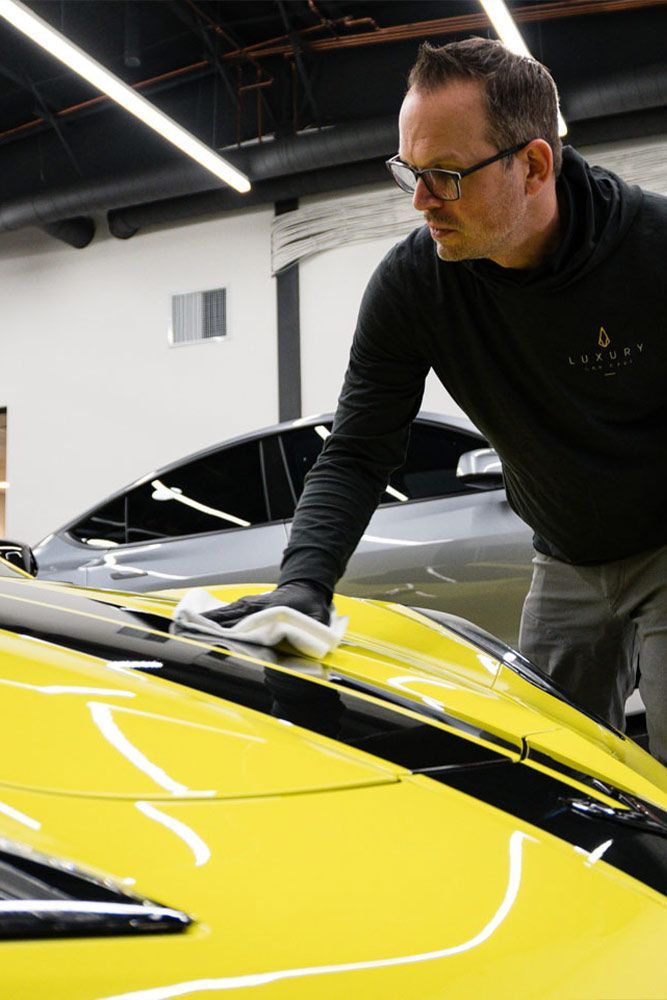
Ceramic coating durability begins with what happens before the coating is ever applied. At Luxury Car Care, we assess paint condition before any installation. Surface defects, contamination, and clear coat irregularities are addressed through professional paint correction so the coating bonds to a properly prepared surface. A coating applied over neglected paint will underperform regardless of the product used.
We work with professional-grade ceramic coating systems selected for their SiO2 concentration, cross-link density, and long-term photostability under demanding UV exposure. Our recommendations are informed by climate conditions, vehicle usage, and parking environment so that the solution we apply fits your actual ownership situation rather than a generic average.
For luxury and high-value vehicles, we also discuss PPF and ceramic combinations where that level of protection is appropriate, providing a layered defense against both physical damage and UV degradation.
Maintenance guidance is part of every installation. We walk clients through washing practices, what to avoid, and when to return for a professional inspection or maintenance topper. A ceramic coating that is cared for properly will consistently outlast a coating that is ignored after installation.
Frequently Asked Questions
Does ceramic coating really protect against UV rays?
Yes. SiO₂-based ceramic coatings form a hardened, chemically bonded layer that absorbs and dissipates UV energy before it reaches the clear coat. This slows photo-oxidation and helps preserve paint gloss and clarity in high-sun conditions.
How long does ceramic coating last in hot, sunny climates?
In demanding UV environments, professional-grade coatings typically maintain effective performance for three to five years. Lifespan depends on coating quality, installation preparation, driving habits, parking conditions, and ongoing maintenance.
Will ceramic coating stop paint fading completely?
No coating eliminates UV damage entirely. Ceramic coating significantly slows the rate of fading and oxidation compared to unprotected paint or wax, but vehicles in extreme sun environments will still experience gradual wear over time.
Is ceramic coating better than wax for UV protection?
Yes, by a significant margin. Wax provides minimal UV resistance and typically lasts only weeks in hot, sun-intensive climates. Ceramic coatings chemically bond to the clear coat and offer measurably stronger photostability over a period of years.
Can ceramic coating be applied over paint protection film?
Yes, and it is a recommended combination for high-value vehicles in UV-intensive climates. Ceramic over PPF adds hydrophobic performance, improves surface slickness, and helps reduce UV stress on the film itself, lowering yellowing risk over time.
What are the signs ceramic coating is wearing out?
Reduced water beading, lower gloss depth, a less slick surface feel under hand contact, and more stubborn contamination are the most common early indicators. Horizontal panels typically show wear first.
Does hydrophobic performance fade before the coating fully fails?
Often yes. Hydrophobicity is frequently one of the first measurable signs of performance decline. A coating may still provide some UV resistance even after water beading has decreased, which is why professional inspection is more informative than surface observation alone.
How often should ceramic coating be maintained in high-UV areas?
An annual professional inspection is a reasonable baseline for most owners in high-UV climates. Maintenance topper applications can refresh hydrophobicity and extend effective coating life without full removal and reapplication. Your installer can advise based on your vehicle's specific exposure conditions.
The Luxury Car Care