
How to Choose the Right Ceramic Coating for Your Car
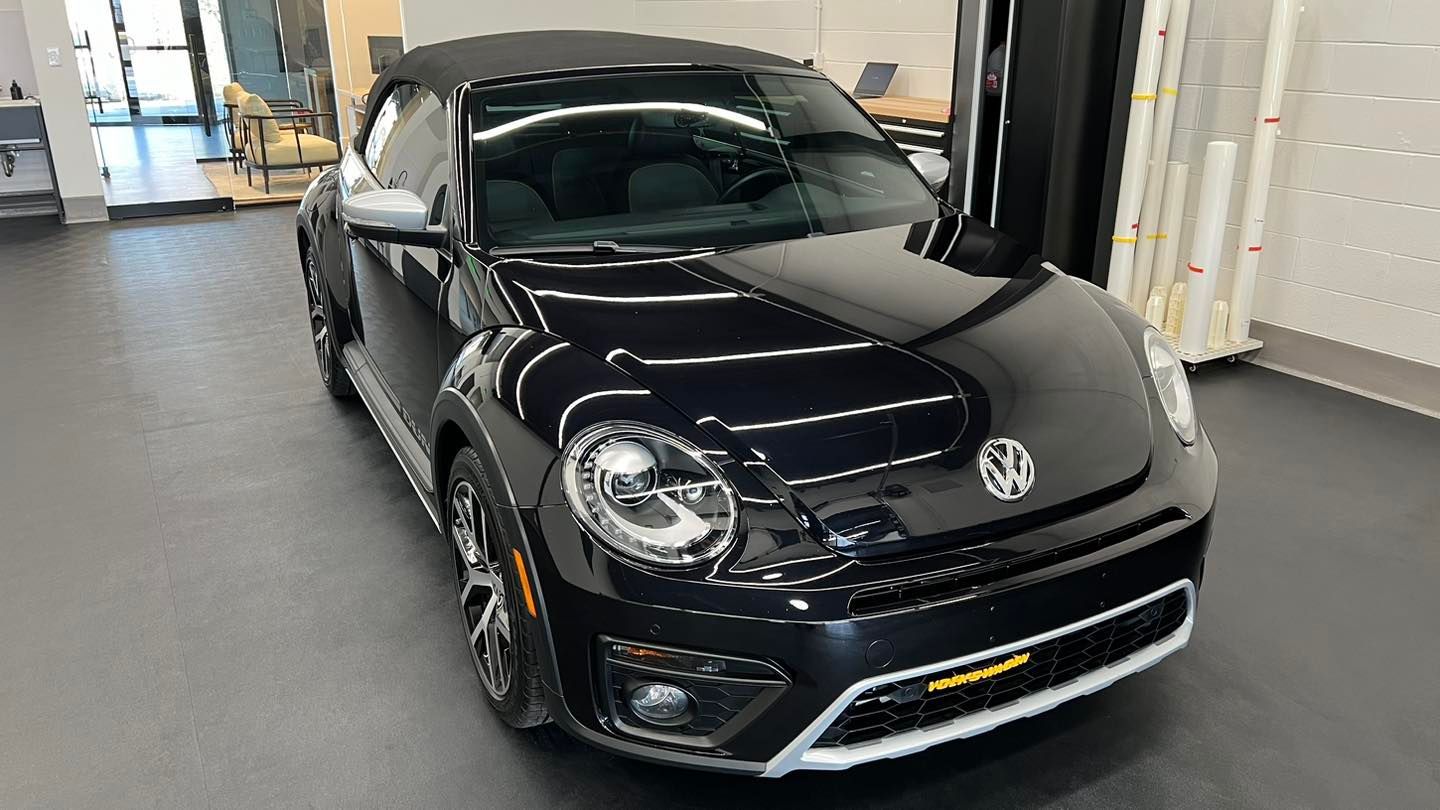
Your car's paint is one of the first things people notice, and for luxury vehicle owners, keeping that finish in showroom condition is not just about appearance. It is about protecting a serious investment. Ceramic coatings have become one of the most popular solutions for long-term paint protection, and for good reason. They offer durability, gloss, and resistance to the environmental hazards your vehicle faces every single day.
But not every ceramic coating is the same, and choosing the wrong one can leave you with underwhelming results or, worse, damage that costs far more to correct than the coating itself. At
Luxury Car Care, we work with luxury and exotic vehicle owners who want lasting protection done right. This guide walks you through everything you need to know to make a confident, informed decision.
What Is a Ceramic Coating?
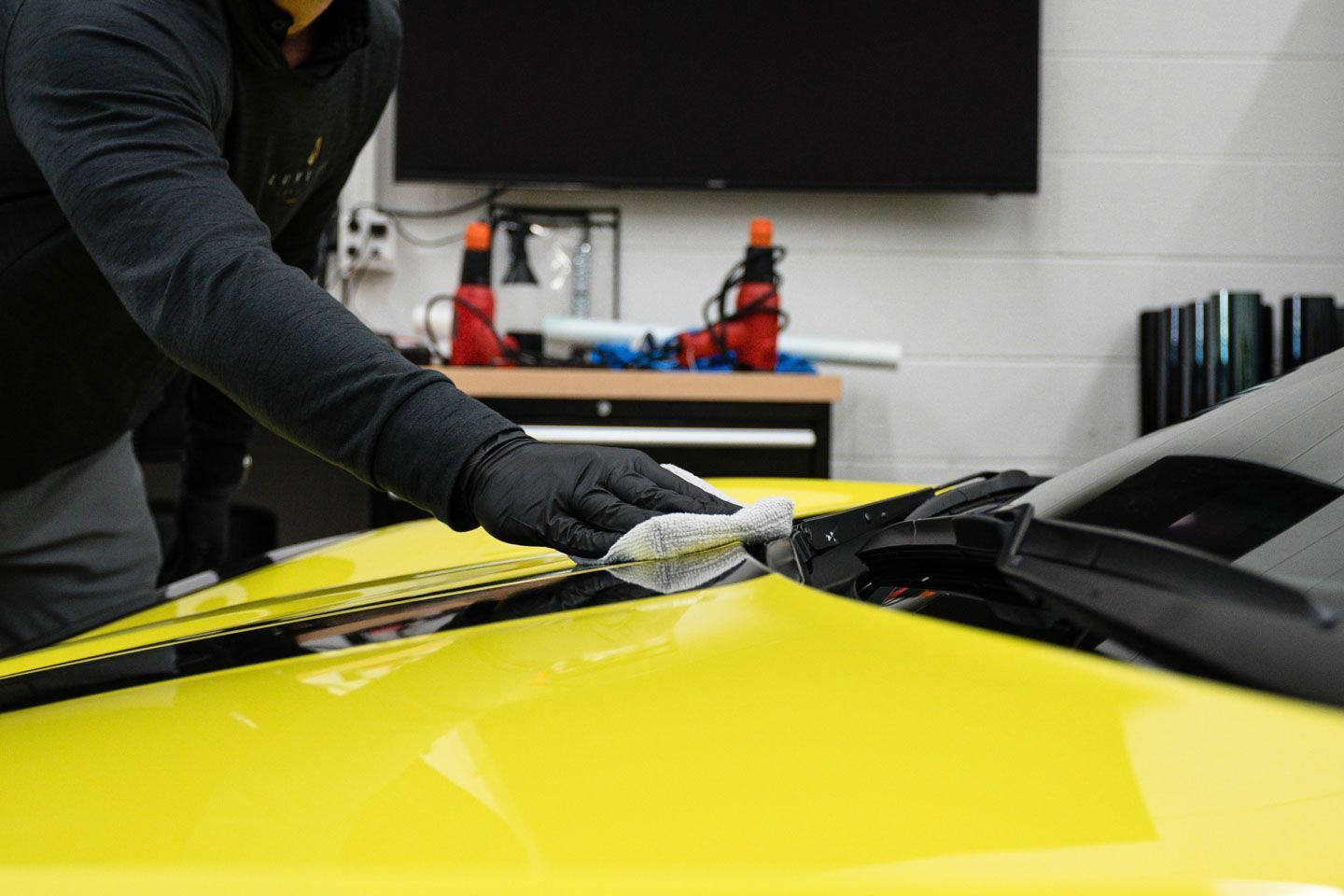
A ceramic coating is a liquid polymer that bonds chemically to your vehicle's factory paint, creating a semi-permanent protective layer over the clear coat. Unlike traditional car wax or paint sealants, a ceramic coating does not sit on top of the surface and wash away over time. It integrates with the paint at a molecular level, forming a hard, hydrophobic shell that repels water, contaminants, and UV radiation.
The technology behind modern ceramic coatings is rooted in nano-ceramic science. Nano-sized particles fill in the microscopic pores and imperfections in your clear coat, creating a smooth, slick surface that is significantly more resistant to environmental damage than unprotected paint.
The practical difference between ceramic coating and wax comes down to longevity and performance. Wax typically lasts a few weeks to a few months, requires frequent reapplication, and offers minimal chemical resistance. A quality ceramic coating, professionally applied, can last several years while maintaining hydrophobic performance and UV protection throughout its lifespan.
Benefits of Ceramic Coating Your Vehicle
Understanding why so many vehicle owners, particularly those with luxury and high-end cars, invest in ceramic coatings starts with knowing what the coating actually does.
UV Protection and Oxidation Prevention Prolonged sun exposure breaks down automotive paint through oxidation, causing fading, dulling, and eventually surface degradation. A ceramic coating acts as a UV-resistant barrier, absorbing and deflecting the rays that would otherwise accelerate paint deterioration over time.
Scratch Resistance While no coating makes your paint impervious to deep scratches or rock chips, the added surface hardness that comes with ceramic coating provides meaningful resistance to light swirl marks, fine scratches from washing, and minor abrasions from road debris. This is especially important for daily drivers where contact with brushes, tree branches, or other surfaces is inevitable.
Gloss and Depth Enhancement One of the most immediate benefits owners notice after a ceramic coating is the visual improvement. The coating enhances the depth and clarity of your paint, producing a high-gloss, showroom-quality finish that makes the color appear richer and more vibrant.
Hydrophobic Performance The hydrophobic layer created by a ceramic coating causes water to bead up and roll off the surface rather than sitting on the paint. This effect carries dirt, mud, and light contaminants along with the water, which means your car stays cleaner between washes and is far easier to maintain when washing is required.
Chemical Resistance Bird droppings, road salt, tree sap, industrial fallout, and environmental pollutants all contain chemicals that can etch or stain unprotected paint. Ceramic coatings provide a resistant barrier that prevents these contaminants from making direct contact with your clear coat, reducing the risk of permanent damage.
Reduced Maintenance and Long-Term Value A ceramic-coated vehicle is simply easier to keep clean. Washing takes less effort, contaminants do not bond as aggressively to the surface, and you spend far less time maintaining the appearance of the paint. Over time, this also contributes to better resale value, since well-maintained paint is one of the most visible indicators of how a vehicle has been cared for.
Types of Ceramic Coatings Explained
Not all ceramic coatings are created equal. The market includes everything from professional-grade systems applied only by trained detailers to consumer-friendly options sold in retail stores. Understanding the differences helps you match the right product to your needs.
Professional Grade Ceramic Coatings
Professional ceramic coatings are formulated for application by trained detailers who have the tools, environment, and surface preparation knowledge to ensure a proper bond. These products typically contain higher concentrations of SiO2 (silicon dioxide) or TiO2 (titanium dioxide), which translates to harder, more durable protection. Most professional-grade coatings carry multi-year warranties and require a clean, controlled application environment to cure correctly. The durability on professional coatings typically ranges from two to five or more years.
DIY Ceramic Coatings
DIY ceramic coatings are designed for consumer application and are more forgiving in terms of working time and application technique. They are more accessible in terms of cost and availability, but they generally contain lower concentrations of active ceramic compounds, which means shorter durability and less overall protection. Most DIY coatings last between six months and two years depending on application quality, maintenance habits, and driving conditions. They are a reasonable option for lower-end vehicles or for owners who enjoy detailing as a hobby, but they are not the right choice for luxury or exotic cars where surface preparation and precision matter most.
Nano Ceramic Coatings
Nano ceramic coatings use nano-sized particles to penetrate deeper into the clear coat's microscopic surface structure. This produces a more thorough bond and a harder, more uniform protective layer. Most high-quality professional coatings are also nano ceramic coatings. The term itself refers to the particle technology used rather than a distinct category, but it is worth understanding because it reflects a meaningful advancement over older coating chemistries.
Hybrid Ceramic Coatings
Hybrid ceramic coatings blend ceramic compounds with other protective technologies, such as polymer sealants or quartz additives. These formulations aim to balance ease of application with improved durability over traditional sealants. Hybrid coatings are often positioned as a middle-ground option, offering more durability than a standard paint sealant but with a simpler application process than a full professional ceramic system.
Ceramic Coating Comparison
| Type | Durability | Cost | Protection Level | Maintenance |
|---|---|---|---|---|
| Professional Grade | 2 to 5+ years | Premium | Highest | Low |
| DIY | 6 months to 2 years | Budget-friendly | Moderate | Moderate |
| Nano Ceramic | 2 to 5+ years | Moderate to premium | High | Low |
| Hybrid Ceramic | 1 to 3 years | Mid-range | Moderate to high | Low to moderate |
Key Factors to Consider When Choosing a Ceramic Coating
Choosing the right coating requires more than picking the most expensive option or the one with the flashiest marketing. Here are the factors that actually matter.
Durability
Ceramic coatings are typically sold with durability claims ranging from one year on the low end to five years or more at the premium level. How long a coating actually lasts depends on product quality, surface preparation, application method, and how the vehicle is maintained afterward. When evaluating durability claims, look for products or services that back those claims with a warranty rather than just a marketing promise.
Vehicle Usage
How you use your car significantly influences which coating is right for it. A daily driver that spends time in traffic, in parking lots, and exposed to the elements needs a coating that can handle consistent real-world exposure. A garage-kept luxury vehicle that sees limited road time may prioritize gloss and long-term UV protection over heavy-duty scratch resistance. Matching the coating to your actual usage pattern ensures you get the right level of protection without overpaying or underprotecting.
Climate and Environment
The environment your vehicle lives in should shape your decision. Vehicles in high-UV climates like the Southwest need strong UV resistance to prevent paint oxidation. Cars driven in northern regions face road salt, snow, and freeze-thaw cycles that demand excellent chemical resistance and hydrophobic performance. Coastal environments bring salt air and humidity that can accelerate paint deterioration without proper protection. Understanding your local climate helps determine how much protection you actually need.
Maintenance Preferences
Some ceramic coatings require periodic top-up sprays or maintenance products to sustain hydrophobic performance throughout their lifespan. Others are truly low-maintenance and require only proper washing technique to keep them performing well. If you prefer a hands-off approach to vehicle maintenance, prioritize coatings that are specifically designed for long-term durability with minimal upkeep.
Budget
Ceramic coatings range from under $50 for a retail DIY kit to several hundred or even over a thousand dollars for a professional multi-year system on a luxury vehicle. The price difference is real, and it reflects real differences in product quality, surface preparation, application precision, and long-term performance. For a luxury vehicle, treating ceramic coating as a long-term investment rather than a one-time cost makes the decision easier. A professional coating applied once and maintained properly will outperform multiple rounds of budget options over the same period.
Why Surface Preparation Matters Before Ceramic Coating
Surface preparation is not a step you can abbreviate or skip. It is the foundation that determines whether your ceramic coating bonds properly and performs as intended.
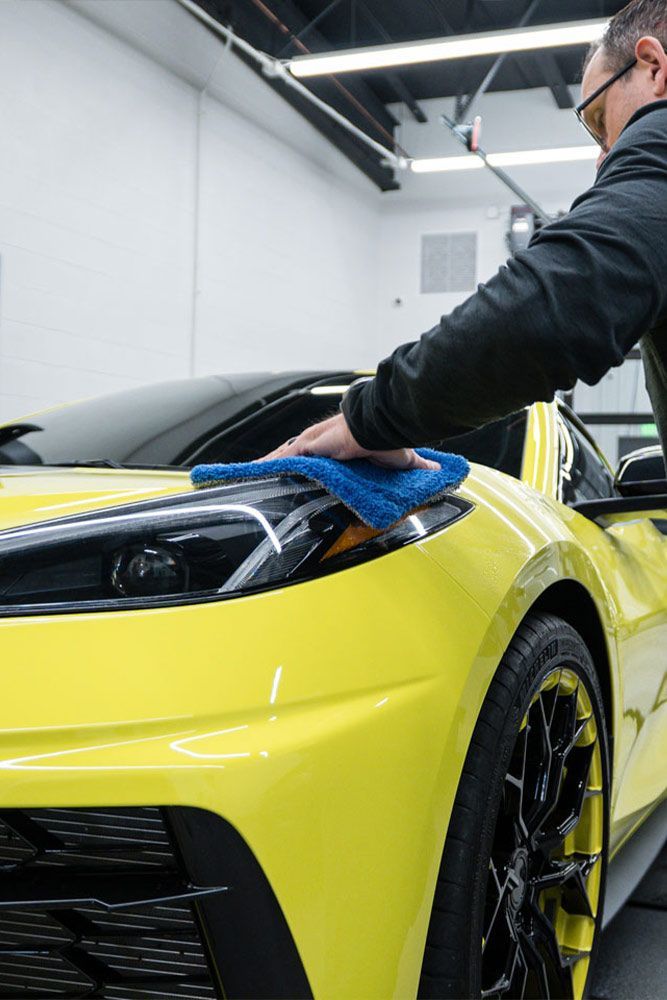
Before any coating is applied, the paint needs to go through a thorough decontamination process. This typically includes a chemical decontamination wash to remove bonded contaminants, followed by clay bar treatment to pull embedded particles from the surface. After decontamination, paint correction addresses any swirl marks, light scratches, or oxidation through polishing. Only once the paint is truly clean, smooth, and defect-free should the coating go on.
Skipping these steps or rushing through them produces a coating that bonds to an imperfect surface. The result looks fine at first, but the defects underneath become more visible as light catches the surface at different angles, and the coating's long-term adhesion may be compromised.
How Long Does Ceramic Coating Last?
The honest answer is that it depends. Product quality is the most obvious factor, but the way you maintain the vehicle after coating has just as much influence on longevity.
Professional-grade coatings applied to a properly prepared surface can realistically last two to five years, with some premium systems extending beyond that under ideal conditions. DIY coatings applied at home typically last six months to two years, with performance declining as the coating wears without maintenance.
What shortens a ceramic coating's lifespan faster than anything else is improper washing technique. Automatic car washes with abrasive brushes, harsh chemical cleaners, and high-pressure sprays aimed directly at panel gaps can all compromise the coating over time. Hand washing with proper pH-neutral soap and soft microfiber wash mitts is the correct approach for a coated vehicle.
Maintenance sprays designed specifically for ceramic-coated vehicles can extend performance and refresh hydrophobic properties between detail appointments. Using the right maintenance products makes a measurable difference in how long your coating performs at its best.
Signs You're Choosing the Wrong Ceramic Coating
Not every coating product or installer is worth your investment. Here are some warning signs to watch for.
Unrealistic durability claims should always raise questions. A coating marketed as permanent or lifetime-guaranteed with no conditions attached is almost certainly overpromising. Real ceramic coatings degrade over time with exposure to UV rays, washing, and the elements. Any reputable product or installer will be upfront about realistic lifespan expectations.
A poor installer reputation is a significant risk regardless of how good the product is. Surface preparation quality, application precision, and curing conditions all depend on the person doing the work. Look for detailers with documented experience, verifiable reviews, and a clear process that includes paint correction and proper decontamination before coating.
The absence of a warranty is another red flag. Premium professional ceramic coatings are typically backed by warranties that cover delamination, early failure, or performance degradation. If an installer cannot back their work with a warranty, that tells you something about their confidence in the outcome.
Weak hydrophobic performance is also worth evaluating before committing. A quality ceramic coating should produce strong, consistent water beading across all painted surfaces. If you see demonstrations that look underwhelming or inconsistent, the product or its application may not deliver what you need.
Why Luxury Car Owners Trust Luxury Car Care
At Luxury Car Care, we work specifically with the vehicles that demand the highest standard of protection. Our ceramic coating services are built around a complete process that starts with thorough paint correction and decontamination before a single drop of coating touches your vehicle.
We use professional-grade ceramic coating systems that are designed for long-term durability, high-gloss performance, and the kind of UV and chemical resistance that luxury paint deserves. Every vehicle we coat receives the same level of attention and precision, whether it is a daily-driven performance car or a weekend showpiece.
Our process is transparent, our results are backed by warranty coverage, and our focus is always on protecting the long-term value of your vehicle. We do not take shortcuts on surface preparation, we do not rush the curing process, and we do not recommend a coating that is not the right fit for your specific vehicle and usage pattern.
If you are ready to protect your vehicle with a ceramic coating that actually delivers, we are here to help you choose the right solution and apply it correctly from the start.
Schedule a ceramic coating consultation with
Luxury Car Care today and give your vehicle the protection it deserves.
Is ceramic coating worth it for luxury cars?
For luxury vehicles, ceramic coating is one of the most practical investments you can make. It protects expensive paint from UV damage, chemical contaminants, and light scratching while preserving the gloss and finish that make luxury vehicles look the way they do. The protection it provides directly supports long-term resale value.
How long does ceramic coating last?
Professional-grade ceramic coatings typically last two to five years or more depending on the product, application quality, and how the vehicle is maintained. DIY coatings generally last six months to two years under normal conditions.
Does ceramic coating prevent scratches?
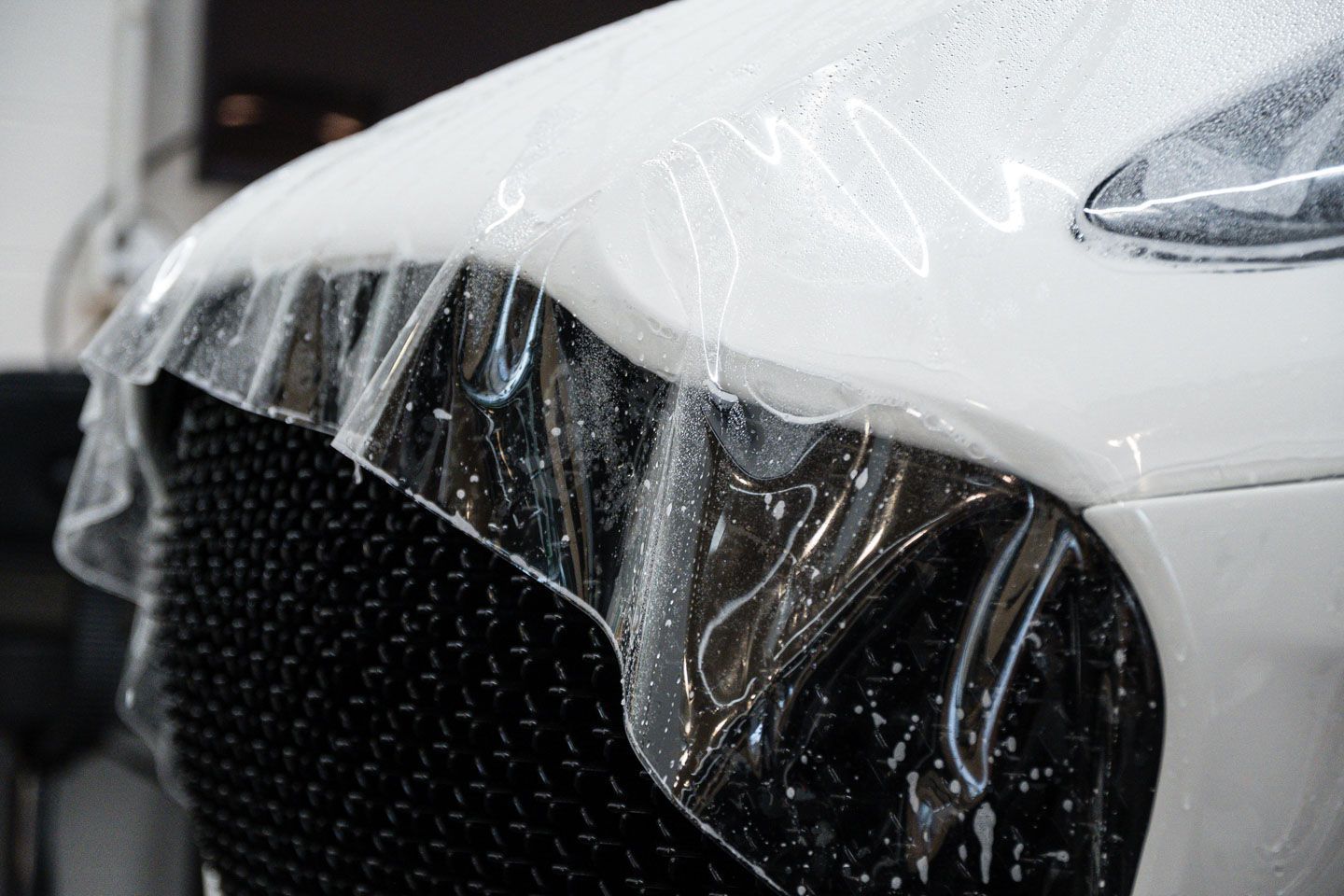
Ceramic coating adds surface hardness and resistance to light swirl marks and minor abrasions. It does not prevent deep scratches or rock chips. For protection against those, paint protection film (PPF) is the better solution, and many luxury vehicle owners combine both.
What is the difference between ceramic coating and wax?
Wax sits on top of the paint and wears off relatively quickly, typically within weeks to months. Ceramic coating bonds chemically to the clear coat at a molecular level, forming a durable, semi-permanent layer that lasts significantly longer and provides far greater chemical, UV, and hydrophobic protection.
Can ceramic coating be applied to any vehicle?
Yes. Ceramic coating is compatible with virtually all modern automotive paint systems. The key requirement is that the paint must be in good condition or corrected before application. Older vehicles or those with significant paint damage may require more extensive preparation work before coating.
Is professional ceramic coating better than DIY?
For most vehicles, and especially for luxury vehicles, professional application produces superior results. The difference comes down to surface preparation, product quality, and application precision. Professional installers perform thorough paint correction before coating, which ensures proper bonding and a higher-quality finish.
How do I maintain a ceramic-coated car?
Hand wash your vehicle using pH-neutral soap and a soft microfiber wash mitt. Avoid automatic car washes with abrasive brushes. Use maintenance sprays formulated for ceramic-coated surfaces to refresh hydrophobic properties between details. Avoid parking under trees where sap and bird droppings can sit on the surface.
Does ceramic coating protect against UV rays?
Yes. UV protection is one of the primary functions of a quality ceramic coating. The coating acts as a barrier between your paint and the sun's ultraviolet rays, slowing the oxidation process that causes paint to fade and dull over time.
The Luxury Car Care