
How Long Does Paint Protection Film (PPF) Last? The Ultimate Durability Guide

When you've invested in a luxury or performance vehicle, protecting that pristine factory finish isn't just about aesthetics; it's about preserving value. Paint Protection Film (PPF) has become the gold standard for safeguarding automotive paint, but the question every discerning car owner asks is: How long will it actually last?
The answer depends on several critical factors, but here's what you need to know upfront: Standard
PPF typically lasts 5–10 years, while premium thermoplastic polyurethane (TPU) films can exceed 12 years with proper installation and maintenance. For luxury vehicle owners who demand the best, understanding these variables isn't optional; it's essential to making an informed investment.
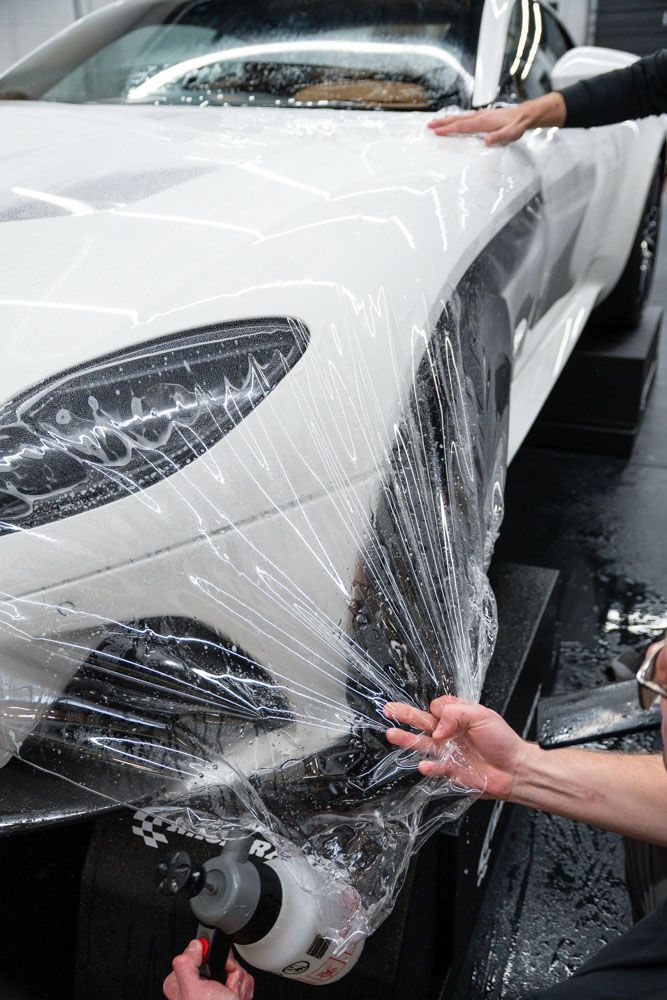
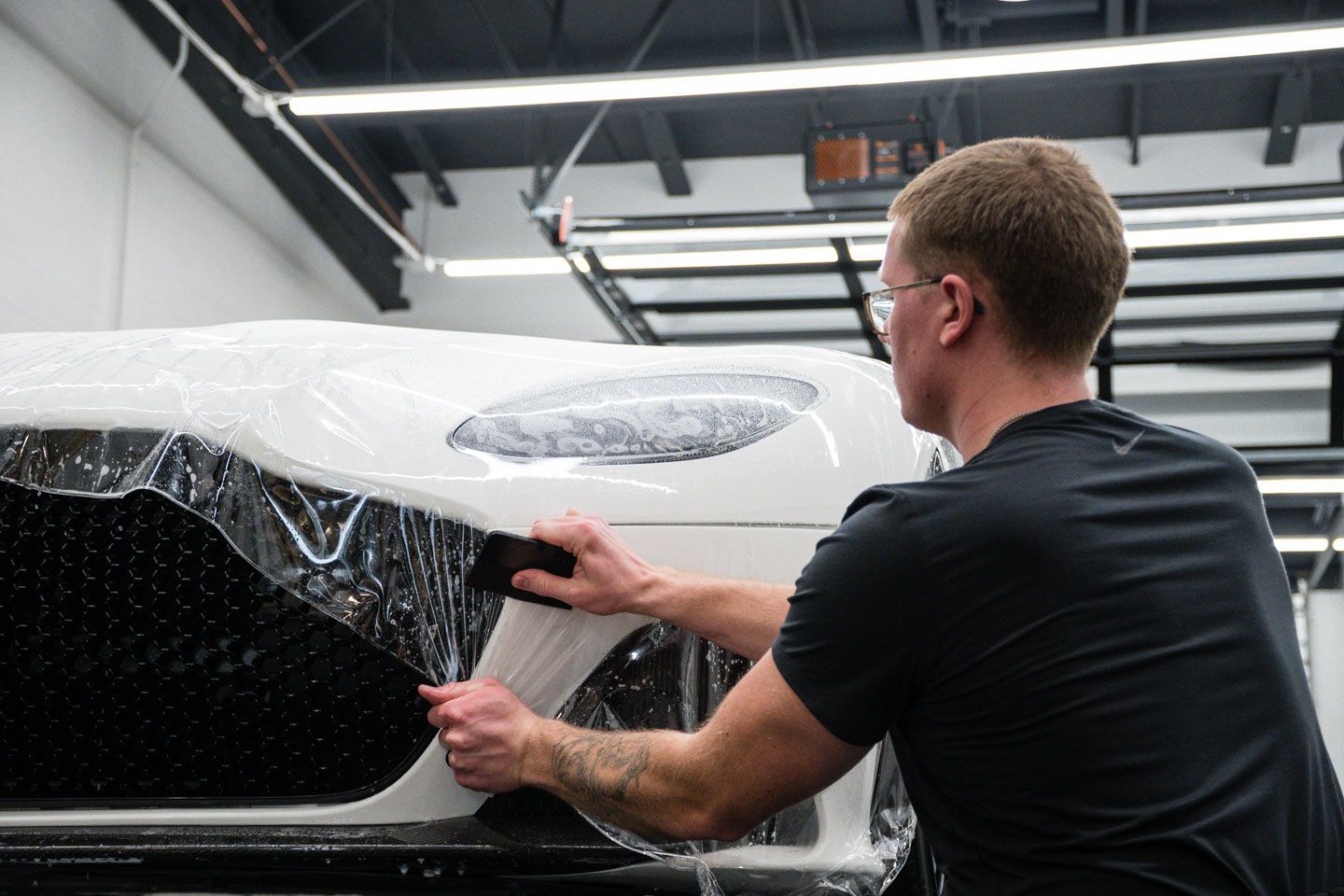
The Realistic Lifespan of Premium PPF
Not all paint protection films are created equal, and the difference in longevity can be dramatic.
Entry-level PVC films, which were common in the early days of paint protection, typically last just 2–3 years before showing signs of yellowing, cracking, and adhesive failure. These films lack the advanced UV inhibitors and self-healing technology that define modern protection.
Premium TPU (Thermoplastic Polyurethane) films represent the current standard for luxury vehicle protection. Brands like XPEL Ultimate Plus and STEK with real-world performance often extending to 12+ years under optimal conditions.
The material science matters: TPU films feature multiple layers including UV stabilizers that prevent oxidation, hydrophobic top coats that repel contaminants, and elastomeric polymers that enable self-healing properties. When exposed to heat from sunlight or warm water, minor scratches and swirl marks literally disappear as the film's surface re-bonds at a molecular level.
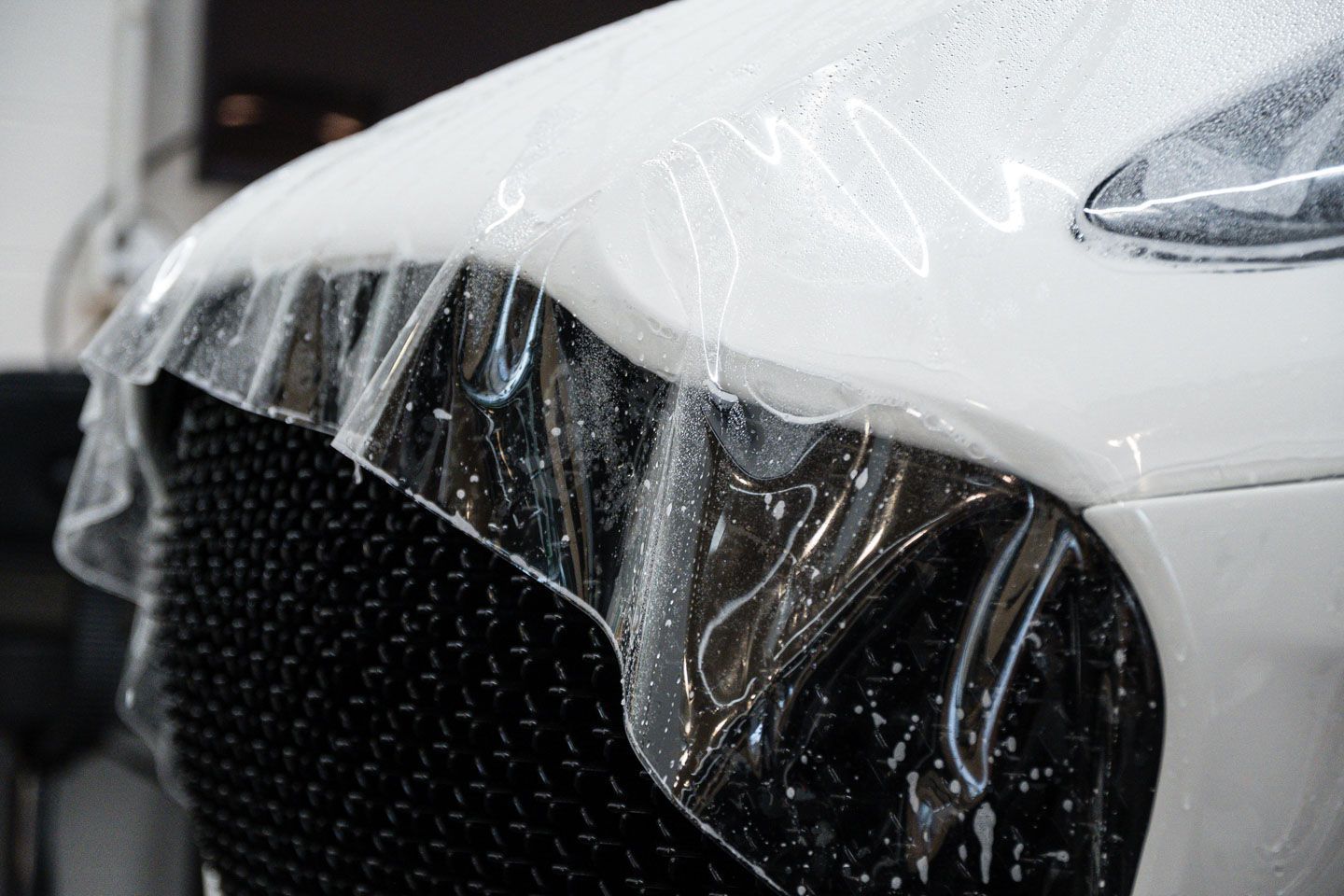
For luxury car care applications, TPU is non-negotiable. The optical clarity of premium films ensures the protection remains virtually invisible, maintaining the depth and luster of your vehicle's original paint without the hazy appearance that plagued earlier generation films.
Key Factors That Influence PPF Longevity
Three primary variables determine whether your PPF investment lasts 5 years or 15.
Installation Quality
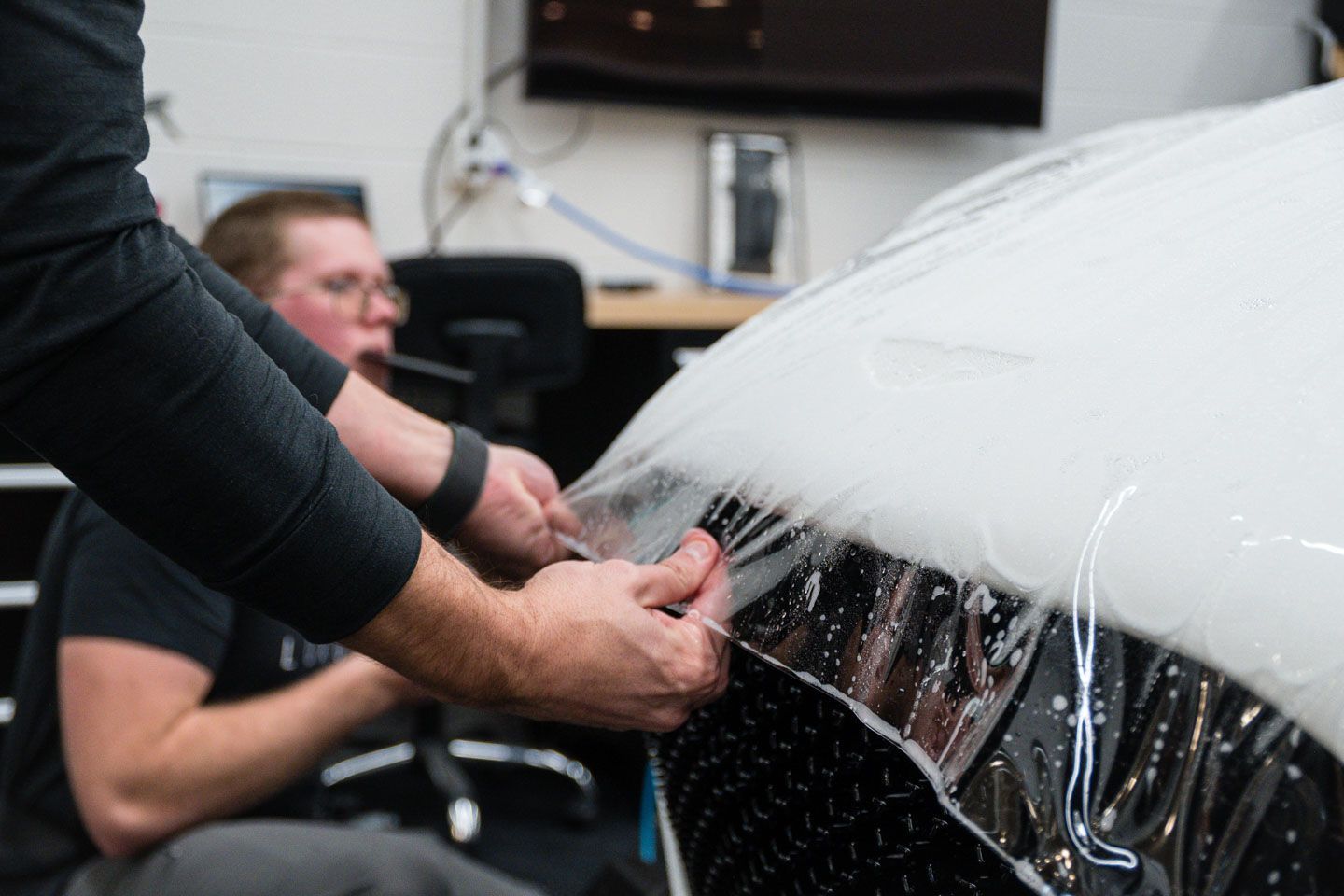
The craftsmanship behind your PPF installation is perhaps the single most important factor in longevity. Precision matters at every stage:
Edge-wrapping technique ensures film edges are tucked into panel gaps rather than exposed to environmental contaminants and lifting forces. Exposed edges are the primary entry point for dirt, road salt, and moisture that cause premature delamination.
Paint correction and surface preparation must be executed flawlessly before installation. Any contaminants, swirl marks, or imperfections trapped beneath the film will be magnified and can create adhesion weak points. Professional installers use computer-controlled plotters to pre-cut patterns with tolerances measured in fractions of a millimeter, ensuring seamless coverage without stretching that can cause film failure.
Environmental Exposure
Your vehicle's environment dramatically impacts PPF lifespan:
UV exposure is the primary aging factor for any paint protection film. Vehicles parked outdoors in direct sunlight experience accelerated oxidation of the film's polymer structure, even with UV inhibitors. In contrast, garage-stored vehicles can see PPF lifespans extended by 30% or more, often reaching 12–15 years for premium films.
Climate considerations also play a role. Extreme temperature fluctuations, high humidity, road salt in winter climates, and industrial fallout in urban environments all stress the film. The hydrophobic top coat on premium PPF helps shed these contaminants, but consistent exposure still takes a toll over time.
Driving Conditions
How you use your vehicle matters:
Highway driving exposes PPF to constant bombardment from rock chips, debris, and road contaminants, exactly what the film is designed to absorb. For luxury vehicles in areas like McLean or Bethesda with daily commutes on I-495 or the Beltway, PPF is working hard to protect your paint from high-speed impacts.
Weekend sports car use or vehicles driven primarily for pleasure typically see extended PPF life simply due to reduced exposure time and gentler driving conditions. Limited mileage means fewer opportunities for environmental damage.
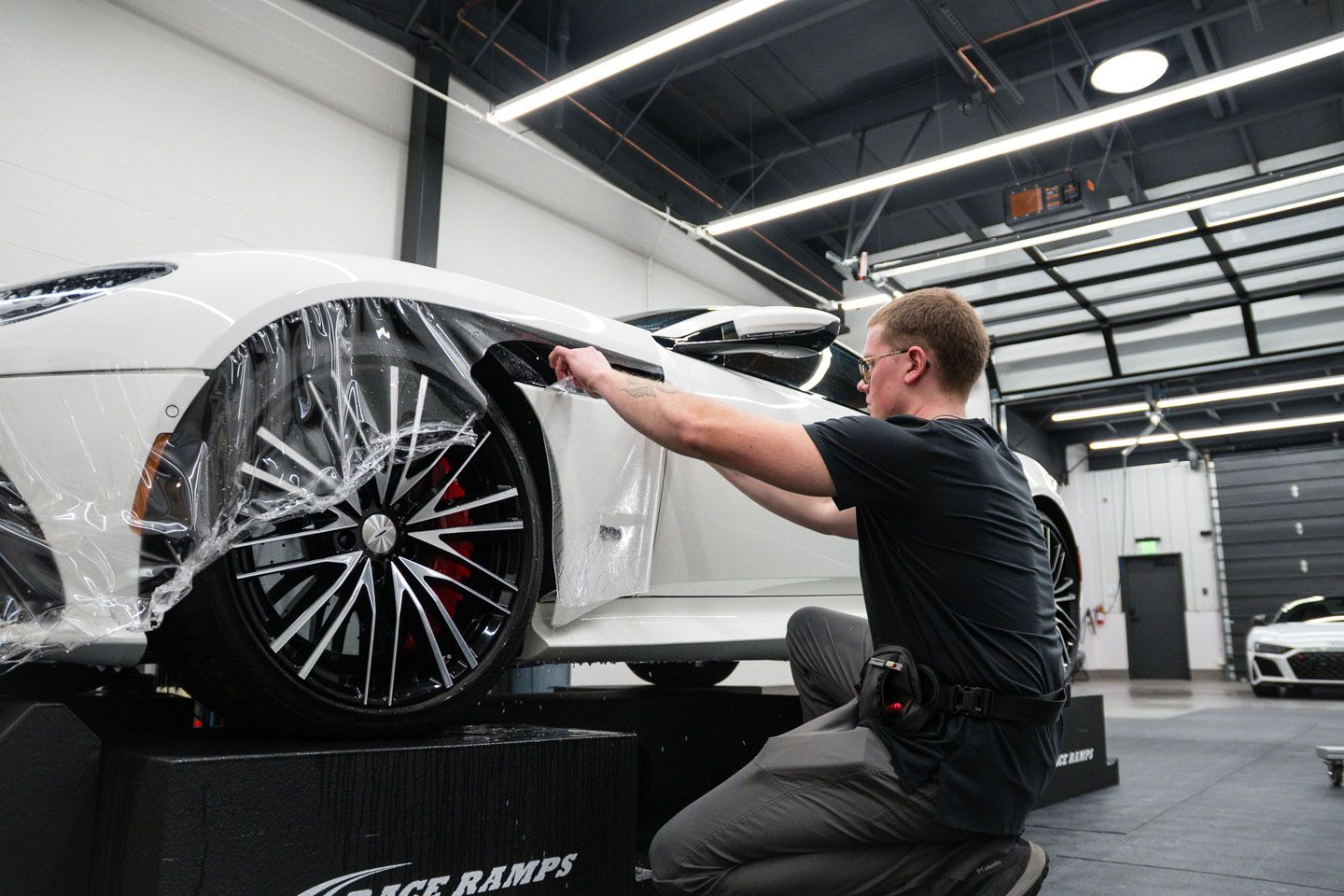
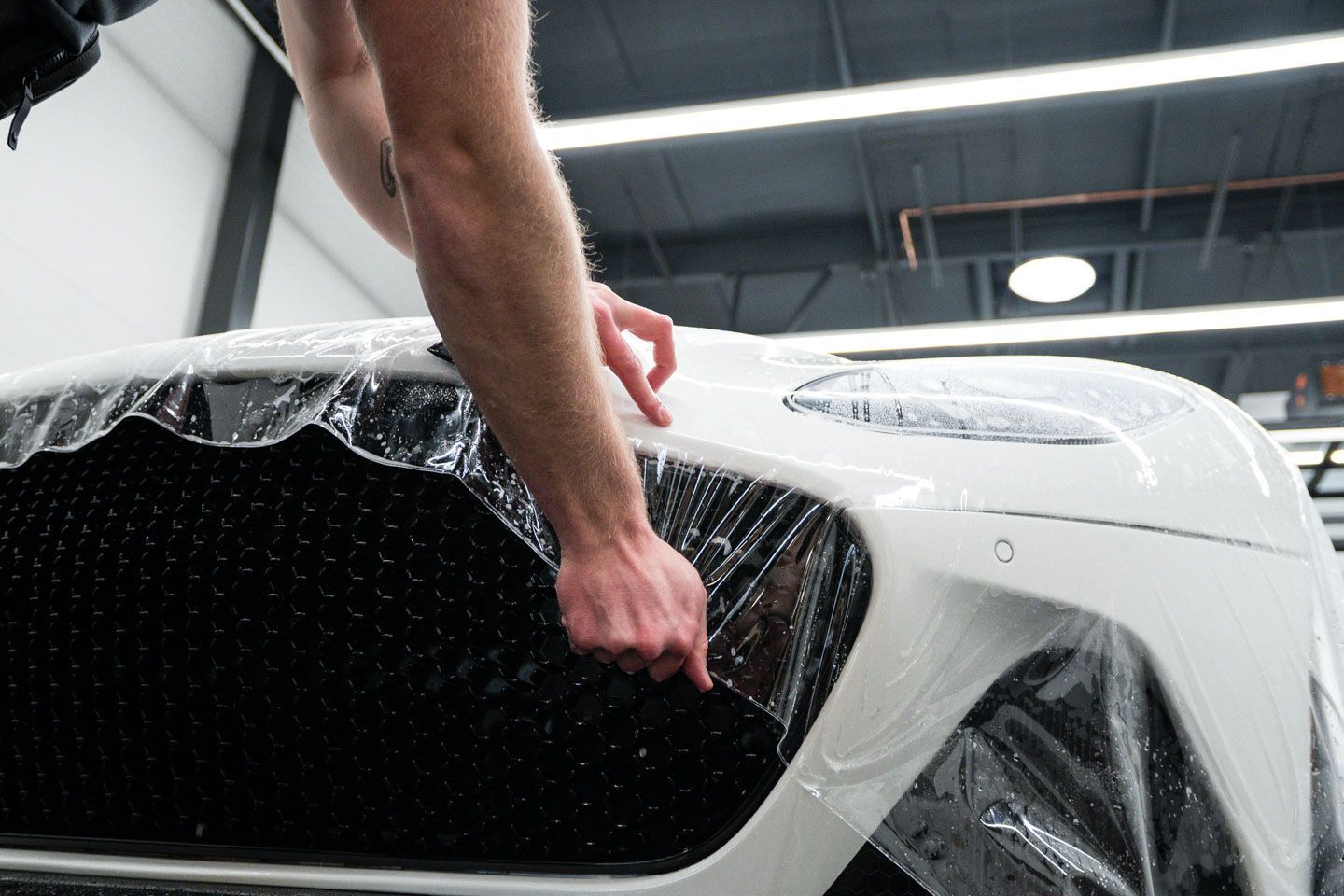
Why Professional Installation is Non-Negotiable for Luxury Cars
The difference between a 5-year PPF installation and a 12-year installation often comes down to one thing: the installer's expertise and equipment.
Professional-grade installation requires specialized infrastructure that DIY approaches and budget shops simply cannot match. Computer-controlled plotters ensure pattern precision without requiring excessive stretching of the film. Stretching weakens the material and can lead to shrinkage and edge lifting over time.
Surface preparation protocols separate premium installations from mediocre ones. This includes multi-stage paint correction to remove any defects, clay bar treatment to eliminate bonded contaminants, and alcohol-based panel prep to ensure perfect adhesion. The installation environment matters too: climate-controlled, dust-free facilities prevent contamination during application.
Experience with luxury vehicles is crucial. A technician who regularly works with Ferrari, Lamborghini, Porsche, or McLaren understands the unique paint formulations, complex curves, and tight tolerances these vehicles demand. They know how to navigate intricate bodylines, flush-mounted trim, and sensitive clear coat finishes without causing damage.
The consequences of poor installation manifest quickly: bubbling within months as trapped moisture expands, adhesive failure at edges within 1–2 years, and visible distortion from improper stretching. For a luxury vehicle owner, these issues aren't just aesthetic problems; they represent wasted investment and potential paint damage during removal.
Signs Your Paint Protection Film Needs Replacement
Even premium PPF doesn't last forever. Recognizing the warning signs helps you address issues before they affect your vehicle's paint.
Discoloration and yellowing are the most obvious indicators. While modern premium films with advanced UV inhibitors resist yellowing far better than older generation products, no film is completely immune to time. If you notice a yellow or amber tint developing, particularly on horizontal surfaces like hoods and roofs, the film's UV stabilizers have been exhausted.
Loss of self-healing properties signals material fatigue. Fresh PPF should clear minor scratches when exposed to heat. If surface marring becomes permanent (swirl marks that won't disappear, water spot etching, or light scratches that remain visible), the elastomeric layer has degraded beyond recovery.
Edge lifting and contamination typically start small but accelerate quickly. Check along panel gaps, door handles, and mirror bases for film edges pulling away from the surface. Once moisture and contaminants infiltrate, the adhesive bond weakens rapidly, and the affected area will continue to expand.
Bubbling and delamination indicate adhesive failure. This can result from poor installation, but even perfect installations can eventually experience localized adhesive breakdown, particularly in high-stress areas like bumper edges and rocker panels subjected to repeated flexing and impact.
Cracking and brittleness appear in severely aged films. The material loses its elasticity, becoming rigid and prone to fracturing. This stage indicates the film has far exceeded its protective lifespan and should be removed immediately to prevent adhesive residue from bonding permanently to your paint.
Maintenance Secrets to Extend PPF Life Beyond a Decade
Proper care can mean the difference between replacing PPF at year 7 or year 15. These protocols are essential for luxury vehicle owners seeking maximum protection longevity.
Washing frequency and technique form the foundation of PPF maintenance. Wash your vehicle every 1–2 weeks using pH-neutral car shampoo specifically formulated for coated surfaces. Avoid alkaline detergents, ammonia-based products, and harsh degreasers that can degrade the hydrophobic top coat and accelerate film aging.
Pressure washing guidelines require care. Maintain at least 24 inches of distance between the nozzle and film surface, using a 40-degree fan tip rather than a pinpoint stream. Never direct high-pressure water perpendicular to panel edges or seams; this is the quickest way to cause lifting.
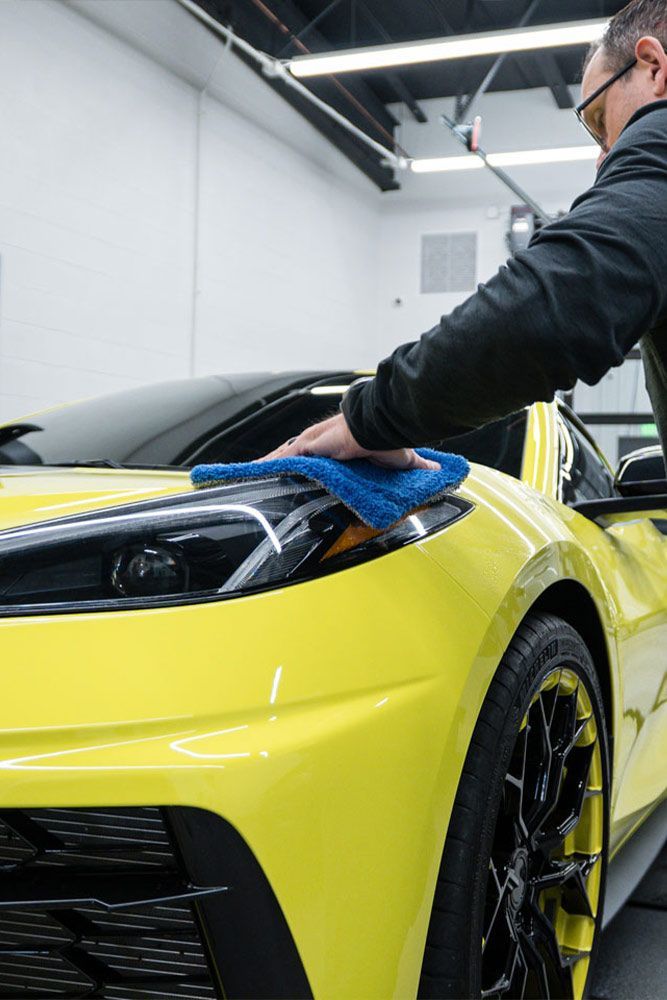
Microfiber cloth selection matters more than most realize. Use ultra-plush, high-GSM (grams per square meter) microfiber towels for drying. Aggressive or low-quality towels can create micro-scratching that accumulates over time, eventually overwhelming the film's self-healing capability.
Ceramic coating over PPF has become the ultimate protection combination. A high-quality ceramic coating applied over PPF creates an additional sacrificial layer that enhances the hydrophobic properties, makes maintenance easier by preventing contaminants from bonding, and adds another barrier against UV degradation. This combination can extend effective PPF life by 2–3 years while maintaining superior optical clarity.
Avoid automated car washes with rotating brushes or cloth strips. These systems can catch film edges and cause lifting, while the harsh chemical detergents used in many automatic washes accelerate film degradation. If convenience is necessary, touchless automatic washes are acceptable, but hand washing remains the gold standard.
Address contaminants immediately. Bird droppings, tree sap, bug splatter, and industrial fallout contain acids and compounds that can etch through the hydrophobic layer if left for extended periods. Remove these contaminants within 24–48 hours using a dedicated spot remover or quick detailer.
PPF vs. Ceramic Coating: Which Lasts Longer?
This comparison surfaces frequently, but it's important to understand these products serve fundamentally different purposes.
PPF lifespan: 5–12+ years with comprehensive physical protection. Paint Protection Film is a sacrificial barrier designed to absorb rock chips, scratches, and impacts that would otherwise damage your vehicle's paint. The urethane material is thick enough (typically 6–8 mils) to prevent penetration from road debris while maintaining optical clarity. When properly maintained, premium TPU films from manufacturers like XPEL or STEK deliver a decade or more of protection.
Ceramic coating lifespan: 2–5 years with chemical and UV resistance. Ceramic coatings create a hard, hydrophobic layer through nanotechnology bonding with paint at a molecular level. They excel at repelling water, preventing water spots, resisting chemical etching, and making maintenance easier. However, ceramic coatings offer essentially zero impact protection; a rock chip will damage the paint just as it would without coating.
The synergistic approach combines both technologies: PPF provides the physical armor, while a ceramic coating over the PPF enhances chemical resistance, improves hydrophobic properties, and simplifies maintenance. For luxury vehicles where preserving factory-perfect condition is paramount, this combination represents the ultimate protection strategy.
From a longevity perspective, PPF is the superior investment for preserving your vehicle's appearance over time. A ceramic coating may need reapplication at the 3–5 year mark, while premium PPF continues protecting well into its second decade with proper care.
Preserve Your Investment with Professional PPF Installation
The longevity of your Paint Protection Film ultimately comes down to three pillars: premium materials, expert installation, and consistent maintenance. For luxury and exotic vehicle owners who demand the highest standards, settling for anything less than professional-grade PPF application isn't just a compromise; it's a risk to your vehicle's long-term value and appearance.
At Luxury Car Care, we specialize in the precise installation of premium TPU films from industry leaders like XPEL, STEK, and Ceramic Pro. Our computer-controlled cutting systems, climate-controlled installation bays, and certified technicians ensure your PPF investment delivers the full 10–12+ year lifespan these materials are engineered to provide.
Whether you're protecting a daily driver or a weekend supercar, your vehicle deserves protection that matches its caliber.
Contact us to discuss a customized PPF solution designed for maximum longevity and invisible protection.
Frequently Asked Questions
Can PPF last 15 years?
Yes, premium films like XPEL Ultimate Plus or STEK DYNOshield can exceed 15 years under optimal conditions. Garage storage in climate-controlled environments, meticulous maintenance, and limited exposure to harsh driving conditions all contribute to extended longevity. Some luxury vehicle owners have documented 15+ year installations that remained optically clear with functional self-healing properties, though this represents the upper threshold rather than a standard expectation.
Does PPF yellow over time?
Modern premium PPF with advanced UV inhibitors is engineered specifically to resist yellowing. Older generation films and budget products lacking proper UV stabilizers would typically yellow within 3–5 years. Today's top-tier films maintain optical clarity for 10+ years, though vehicles exposed to extreme sun without garage storage may show minimal discoloration toward the end of their lifespan. This is one reason why quality matters: films meeting or exceeding 10-year warranty standards demonstrate proven resistance to yellowing.
Is PPF permanent?
No, PPF is designed as a removable, sacrificial layer. When it comes time for replacement, professional removal using heat and proper technique allows the film to separate cleanly without damaging the underlying paint. In fact, vehicles with PPF that's removed after 10+ years often reveal paint in showroom condition, as if the car were driven just months rather than a decade. This removability without paint damage is a core feature that distinguishes quality PPF from permanent modifications.
How does road salt affect PPF lifespan?
Road salt accelerates PPF aging through both chemical exposure and abrasive contact. Salt residue can degrade the hydrophobic top coat more quickly, and salt particles in slush create constant micro-abrasion. Vehicles in winter climates should be washed more frequently (weekly during salt season) to prevent buildup. Despite this increased stress, premium PPF still provides 7–10+ years of protection in salt-exposed environments, significantly longer than the 2–3 years budget films would last.
Should I replace PPF before selling my luxury vehicle?
If your PPF shows visible aging signs (yellowing, heavy scratching, edge lifting), replacement before sale can significantly impact resale value. Fresh PPF demonstrates care and provides the next owner with years of protection, justifying a premium price point. However, if your film is in excellent condition with 3–5 years of life remaining, highlighting the existing protection can be just as valuable. For exotic and collectible vehicles where condition is paramount, fresh PPF installation as part of pre-sale preparation often returns multiples of the investment in final sale price.
The Luxury Car Care