
Ceramic Coating vs. Wax: Which Offers Better Long-Term Value?
Protecting your vehicle’s paint is not only about creating a glossy finish. The right protection can make routine cleaning easier, reduce exposure to environmental contamination, and help preserve the appearance of the clear coat over several years of ownership.
Car wax and ceramic coating can both protect automotive paint, but they differ significantly in price, durability, maintenance requirements, and application.
Wax has a much lower upfront cost and can produce a rich, warm shine. Ceramic coating requires a larger initial investment, but it provides longer-lasting protection and does not need to be reapplied as frequently.
So, which one offers better long-term value?
Ceramic coating generally provides better long-term value for drivers who plan to keep their vehicles for several years and want durable protection with less frequent reapplication. Wax may offer better short-term value when upfront cost matters most, the vehicle is rarely driven, or the owner enjoys applying paint protection regularly.
The right choice depends on your vehicle, budget, ownership period, maintenance habits, and how much value you place on your time.
Key Takeaways
- Wax costs less initially but must be reapplied regularly.
- Professional ceramic coating can protect a properly prepared surface for several years.
- Ceramic coating still requires safe washing and routine maintenance.
- Neither wax nor ceramic coating prevents major scratches, dents, or rock chips.
- Long-term value should include product cost, application labor, preparation, maintenance, and your time.
Ceramic Coating vs. Wax at a Glance
| Comparison factor | Car wax | Professional ceramic coating |
|---|---|---|
| Upfront cost | Low | Higher |
| Typical durability | Weeks or months, depending on the product | Years, depending on the coating and maintenance |
| Bonding behavior | Sits on the paint surface | Bonds or cross-links with a properly prepared surface |
| Reapplication | Frequent | Infrequent |
| DIY suitability | High | Professional application is recommended for advanced systems |
| Hydrophobic performance | Good when fresh | Stronger and longer-lasting |
| Chemical resistance | Limited | Greater |
| Appearance | Warm, rich glow | Clear, reflective, glass-like gloss |
| Surface preparation | Cleaning and optional polishing | Decontamination and paint correction when needed |
| Maintenance | Washing and repeated waxing | Safe washing and coating-compatible maintenance |
| Rock-chip protection | No | No |
| Best suited for | Budget-focused owners and detailing enthusiasts | Long-term owners seeking durable protection |
What Is Car Wax?
Car wax is a temporary protective product applied over automotive paint. It creates a sacrificial surface layer that can improve gloss and provide limited protection from water, light contamination, and environmental exposure.
Wax products usually fall into several categories.
Carnauba Wax
Carnauba wax is derived from the leaves of the carnauba palm. It is popular among detailing enthusiasts because it can create a warm, deep appearance, especially on dark paint.
Carnauba products are often selected for show vehicles, weekend cars, and owners who enjoy the traditional process of applying and buffing wax.
Synthetic Wax and Paint Sealants
Synthetic waxes and paint sealants use manufactured polymers rather than relying primarily on natural carnauba.
They may provide greater durability than traditional wax, although they still generally require more frequent reapplication than a professional ceramic coating.
Hybrid Ceramic Wax
Hybrid ceramic waxes and SiO₂ sprays combine traditional wax or sealant characteristics with ceramic-related ingredients.
These products can provide better water behavior and durability than basic wax, but they should not be confused with professionally installed ceramic coatings.
A spray bottle carrying the word “ceramic” does not automatically offer the same preparation requirements, chemical resistance, bonding behavior, or lifespan as a professional coating.
What Is Ceramic Coating?
Ceramic coating is a liquid protective product applied to a thoroughly cleaned and prepared vehicle surface.
After application, the coating cures and forms a durable layer over the clear coat. Depending on the formulation, it may provide hydrophobic properties, chemical resistance, UV resistance, enhanced gloss, and easier routine cleaning.
Unlike wax, which gradually sits and wears away on the surface, a professional coating is designed to bond or cross-link with properly prepared paint.
The quality of the result depends on several factors:
- Paint condition
- Surface decontamination
- Paint correction
- Product quality
- Application technique
- Leveling
- Curing conditions
- Ongoing maintenance
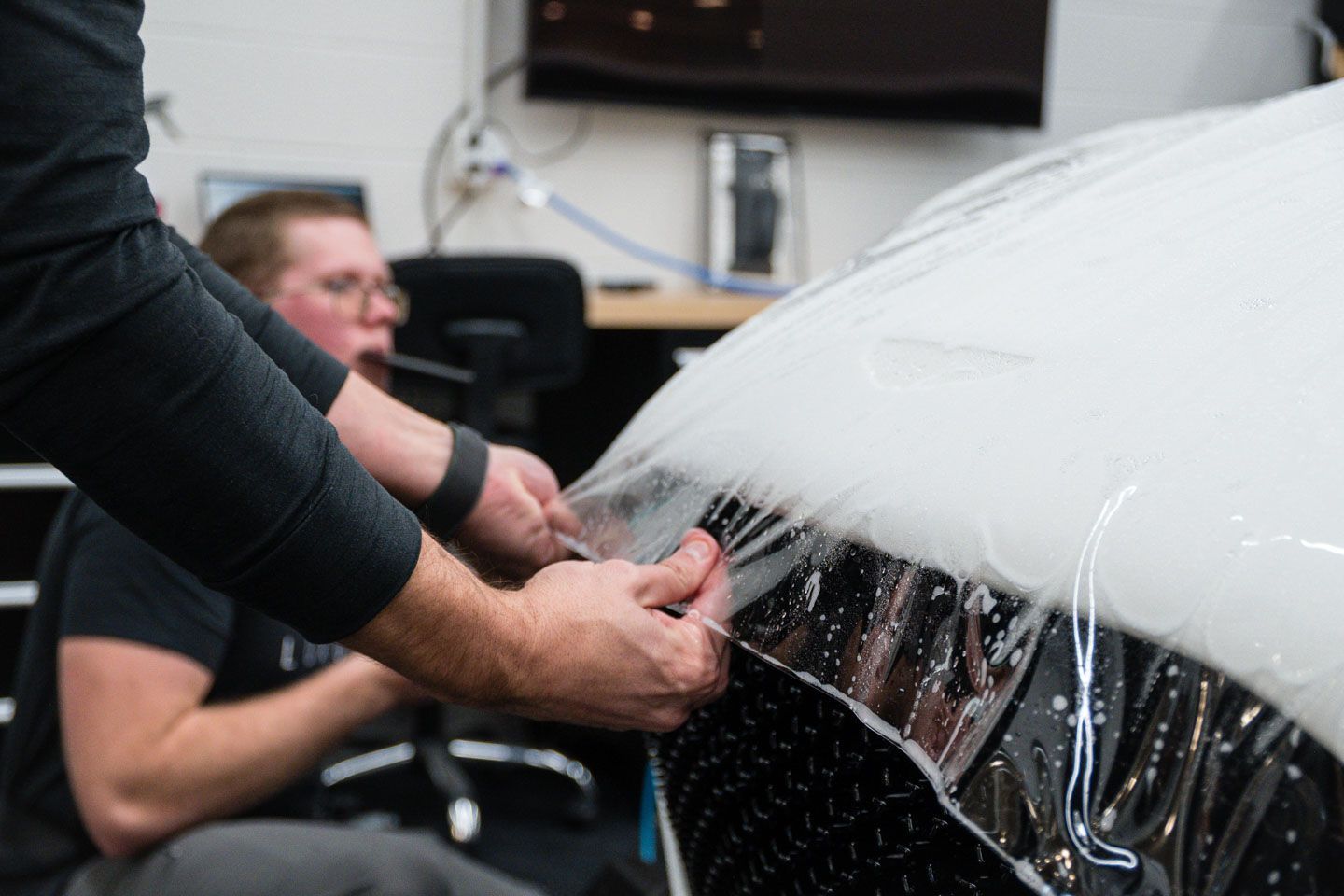
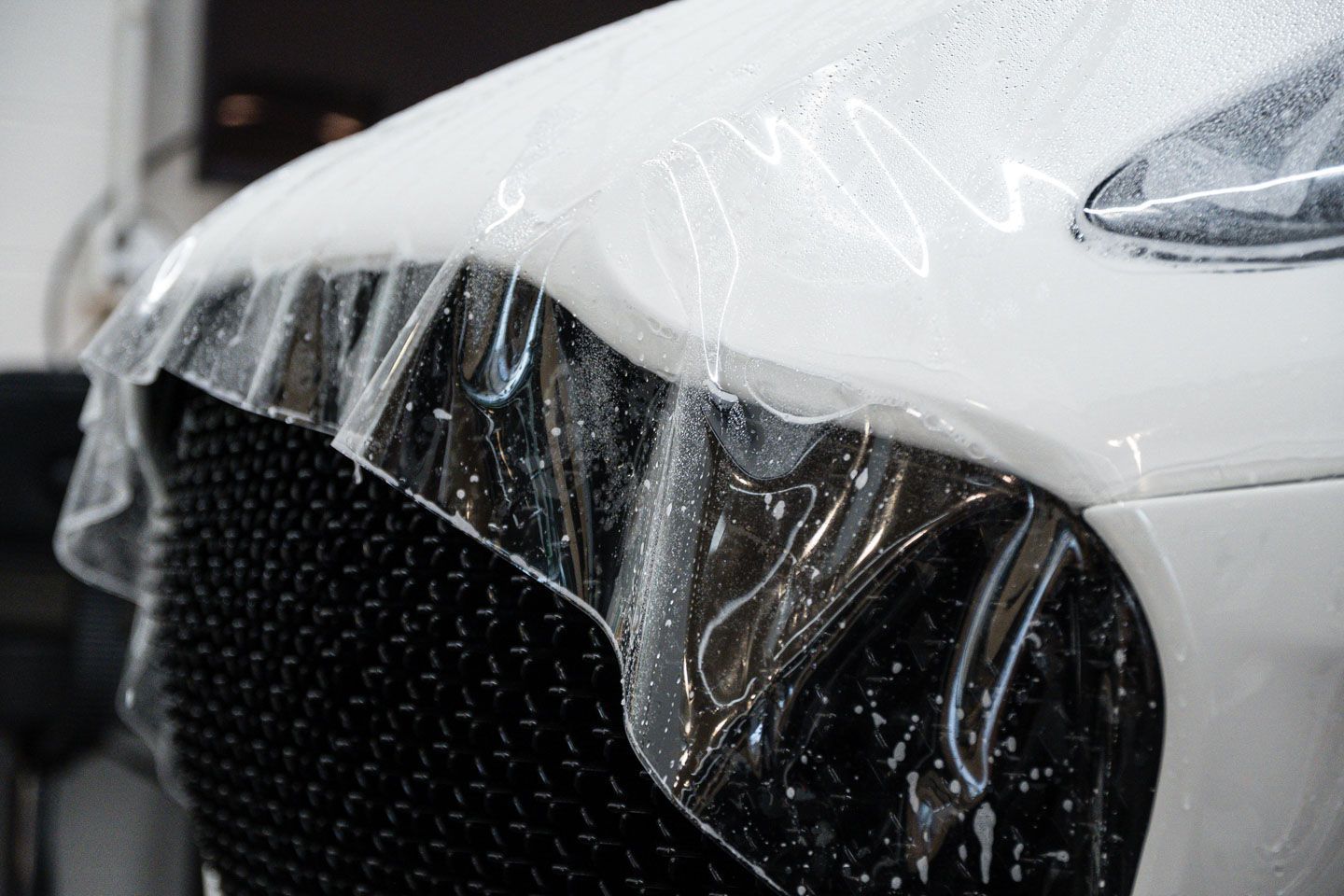
Luxury Car Care installs professional FEYNLAB ceramic coatings for vehicle owners in Mason, Ohio. You can learn more about the process and available packages on the professional ceramic coating service page.
For a deeper explanation of the technology, read what ceramic coating is and how it protects automotive paint.
Which Lasts Longer: Ceramic Coating or Wax?
Ceramic coating lasts substantially longer than conventional car wax.
A layer of wax may remain effective for weeks or months, depending on:
- Product formulation
- Application quality
- Vehicle storage
- Weather exposure
- Washing frequency
- Detergents used
- Mileage
- Surface preparation
Heat, rain, washing, road contamination, and environmental exposure gradually wear wax away. This means owners must monitor the finish and reapply the product regularly.
A professionally installed ceramic coating is designed to provide protection for years rather than weeks or months.
Luxury Car Care currently offers ceramic-coating packages with protection periods of up to three years and up to five years, depending on the package selected. Actual coating longevity still depends on the vehicle, environment, wash methods, maintenance routine, and adherence to the installer’s aftercare recommendations.
No ceramic coating should be described as permanent or maintenance-free.
Even a professional coating can lose performance prematurely when a vehicle is repeatedly taken through abrasive brush washes, neglected for long periods, or cleaned using inappropriate chemicals.
Read more about how long ceramic coating lasts and the factors that influence its performance.
Which Provides Better Paint Protection?
Ceramic coating generally provides stronger and more consistent environmental protection than wax, but the answer depends on the specific hazard.
UV Exposure and Oxidation
Both wax and ceramic coating can help reduce direct environmental exposure to the clear coat.
The difference is consistency. Because wax wears away relatively quickly, its protection depends on frequent reapplication. Once the wax layer has deteriorated, the paint is no longer receiving the same level of coverage.
A ceramic coating is designed to maintain its protective properties for a longer period when properly applied and maintained.
Bird Droppings, Bug Residue, and Tree Sap
Bird droppings, bug residue, tree sap, and similar contamination can damage automotive finishes when left in place.
Ceramic coating generally offers greater chemical resistance than traditional wax. It also creates a surface that can make some contaminants easier to remove.
However, ceramic coating does not make the vehicle immune to etching.
Contamination should still be removed promptly and safely. Allowing bird droppings, bug remains, or hard-water deposits to sit on the vehicle for an extended period can still affect the coating and the surface underneath it.
Water Behavior
Fresh wax can create attractive water beading, but its hydrophobic behavior gradually weakens as the wax wears away.
Professional ceramic coatings usually provide stronger and longer-lasting water behavior. Water, dirt, and grime may have more difficulty adhering to the coated surface, which can make routine washing easier.
Hydrophobicity should not be confused with complete water-spot prevention.
Water droplets can still leave mineral deposits when they dry on the surface. Learn more about ceramic coating and water spotting.
Swirls and Light Marring
Ceramic coating can offer some resistance to light wash-induced marring, but it is not scratch-proof.
Poor washing methods can still create:
- Swirl marks
- Fine scratches
- Towel marks
- Abrasions
- Surface damage
Wax provides only limited resistance to this type of damage.
Safe washing methods remain essential regardless of which product you choose.
Rock Chips and Deep Scratches
Neither wax nor ceramic coating is designed to stop:
- Rock chips
- Deep scratches
- Key damage
- Dents
- Collision damage
- Significant road impacts
For physical impact protection, paint protection film is generally the more appropriate solution.
Luxury Car Care’s guide to paint protection film versus ceramic coating explains how the two services address different types of risk.
Ceramic Coating vs. Wax Cost Over Time
Wax wins easily when only the initial purchase price is considered.
A container or bottle of wax may cost a small fraction of the price of professional ceramic coating. However, the upfront expense does not show the full ownership cost.
A fair comparison should include:
- Product cost
- Application frequency
- Professional labor
- Paint preparation
- Paint correction
- Maintenance products
- Reapplication
- Personal time
Wax Costs
The long-term cost of waxing depends on whether you perform the work yourself or pay a professional.
A simple calculation is:
Wax cost over the ownership period = number of applications × product cost + paid labor + the value of your personal time
For example, imagine that an owner applies wax four times per year for five years.
That equals 20 applications.
Even when the product is inexpensive, the owner must still:
- Wash the vehicle
- Prepare the surface
- Apply the wax
- Wait for the appropriate curing or hazing period
- Buff the surface
- Repeat the process several times each year
For someone who enjoys detailing, this time may be part of the hobby rather than a cost.
For a busy owner who would rather spend those hours elsewhere, repeated application becomes a meaningful part of the value calculation.
Ceramic-Coating Costs
The cost of professional ceramic coating includes more than the coating liquid.
A professional service may include:
- Paint inspection
- Exterior washing
- Chemical decontamination
- Mechanical decontamination
- Surface preparation
- Coating application
- Leveling
- Controlled curing
- Final inspection
- Aftercare guidance
Paint correction may also be recommended or required depending on the condition of the finish.
Luxury Car Care’s current ceramic-coating packages include exterior washing and decontamination. Paint correction may involve an additional charge based on the vehicle’s condition and the desired result.
Luxury Car Care Annualized Starting Prices
Based on the current package starting prices:
| Package | Starting price | Stated protection period | Annualized starting price |
|---|---|---|---|
| Level 1 FEYNLAB Ceramic V3 | $990 | Up to 3 years | $330 per year |
| Five-year ceramic package | $1,490 | Up to 5 years | $298 per year |
These annualized figures are simple starting-price calculations. They are not guaranteed total ownership costs.
The final investment may vary according to:
- Vehicle size
- Paint condition
- Correction requirements
- Selected package
- Optional services
- Maintenance needs
The figures also do not assign a dollar value to the time saved by avoiding frequent wax applications.
Does Ceramic Coating Always Cost Less Over Time?
No.
Ceramic coating does not automatically become the cheaper option for every owner.
Wax may remain less expensive when:
- The owner uses an inexpensive product
- Application is completed at home
- Personal time is not treated as a cost
- The vehicle is rarely driven
- The vehicle will be sold soon
- Protection is not reapplied frequently
Ceramic coating is more likely to provide stronger financial and practical value when:
- The vehicle will be kept for several years
- Professional waxing would otherwise be purchased regularly
- The owner places value on reduced reapplication
- The vehicle is driven frequently
- Paint condition is an important ownership priority
- Easier cleaning is valuable
A universal break-even claim would be misleading because every driver’s costs and habits are different.
Which Option Requires Less Maintenance?
Ceramic coating requires less frequent reapplication than wax, but it still needs proper care.
Wax Maintenance
A waxed vehicle requires:
- Safe washing
- Regular inspection
- Periodic surface preparation
- Repeated wax application
- Buffing
- More frequent restoration of water behavior
Harsh detergents and abrasive washes can remove or weaken the wax layer.
When water behavior and slickness decline, another application may be required.
Ceramic-Coating Maintenance
A ceramic-coated vehicle still requires:
- Regular hand washing
- Appropriate automotive shampoo
- Safe wash mitts and towels
- Prompt contaminant removal
- Avoidance of abrasive brush washes
- Periodic coating inspections
- Compatible maintenance products when recommended
The coating reduces the need for repeated waxing, but it does not eliminate washing.
Neglected dirt, mineral deposits, bird droppings, and road contamination can still compromise the appearance and performance of the surface.
For maintenance guidance, review:
- How often to wash a ceramic-coated car
- The benefits of regular ceramic-coating maintenance
- How to extend the lifespan of ceramic coating
Which Produces Better Gloss?
Both products can produce attractive results, but they create different visual characteristics.
The Appearance of Wax
Wax is often associated with:
- Warmth
- Depth
- Richness
- A traditional show-car finish
Carnauba wax can look especially appealing on dark, solid colors.
Some waxes may also temporarily soften the appearance of very light imperfections, although they do not remove paint defects.
The Appearance of Ceramic Coating
Ceramic coating is generally associated with:
- Clarity
- Reflectivity
- Sharp gloss
- A glass-like finish
- Longer-lasting surface slickness
The final result depends heavily on the condition of the paint underneath.
A coating cannot permanently conceal swirl marks, oxidation, scratches, or etching. Applying a coating over poorly prepared paint may lock visible defects beneath the protective layer.
The greatest improvement in gloss often comes from paint correction rather than the coating alone.
Luxury Car Care’s paint-correction service addresses swirl marks, oxidation, scratches, and surface imperfections before long-term protection is applied.
How Paint Condition Changes the Value Calculation
Paint condition can materially affect the cost of ceramic coating.
Before a coating is installed, the surface may need:
- Thorough washing
- Iron removal
- Tar removal
- Clay-bar decontamination
- Machine polishing
- Multi-stage paint correction
- Panel preparation
A newer vehicle with well-maintained paint may require relatively limited correction.
An older vehicle with heavy swirl marks, oxidation, water spots, or scratches may require more extensive work.
That additional preparation raises the initial price, but it also improves the paint before the protective coating is installed.
Wax may temporarily enhance gloss, but it does not remove defects. Once the product wears away, the underlying condition remains.
This distinction matters when comparing value.
A professional ceramic-coating service may include both paint improvement and long-term protection, while a basic wax application may only create a temporary cosmetic change.
When Wax Offers Better Value
Wax remains a practical choice for many vehicle owners.
It may offer better value when:
- Your immediate budget is limited.
- You plan to sell or return the vehicle soon.
- The vehicle is driven infrequently.
- It is stored indoors most of the time.
- You enjoy waxing and detailing as a hobby.
- You want a traditional carnauba appearance.
- You prefer to change protection products regularly.
- The vehicle’s paint condition does not justify a larger investment.
- You want a simple product that can be applied at home.
Wax should not be treated as an outdated or incorrect choice.
For some owners, the application process is part of enjoying the vehicle.
When Ceramic Coating Offers Better Value
Professional ceramic coating is more likely to provide better long-term value when:
- You plan to keep the vehicle for several years.
- The vehicle is driven regularly.
- It is exposed to outdoor conditions.
- You want to reduce frequent waxing.
- Easier routine cleaning matters to you.
- The paint has been professionally corrected.
- The vehicle has expensive or visually important paint.
- You want longer-lasting hydrophobic performance.
- You want more durable chemical and UV resistance.
- You are prepared to maintain the vehicle properly.
Ceramic coating may be particularly appealing for:
- Luxury vehicles
- Performance cars
- Daily drivers
- New vehicles
- Corrected vehicles
- Enthusiast-owned cars
- Vehicles exposed throughout the year
The coating provides the most value when the owner intends to preserve the finish and follow an appropriate wash routine.
What About Ceramic Wax and Spray Coatings?
Product labels can make the comparison confusing.
Not every product described as “ceramic” is a professional ceramic coating.
Paint-protection products can be viewed as a general spectrum:
Traditional wax → synthetic sealant → hybrid ceramic wax → SiO₂ spray → consumer coating → professional coating
Traditional Wax
- Easy to apply
- Low upfront cost
- Shorter durability
- Frequent reapplication
Synthetic Sealant
- Polymer-based protection
- Often lasts longer than traditional wax
- Usually easy to apply
- Still temporary
Hybrid Ceramic Wax
- Combines wax or sealant ingredients with ceramic additives
- May improve water behavior
- Usually easy to use
- Does not equal a professional coating
SiO₂ Spray
- Convenient spray-on protection
- Useful as a topper or maintenance product
- Product durability varies widely
- Requires more frequent use than a professional coating
Consumer Ceramic Coating
- More preparation required
- Longer-lasting than sprays and waxes
- Application errors may create high spots or unevenness
- Results depend heavily on user skill
Professional Ceramic Coating
- Requires extensive preparation
- Applied in controlled conditions
- Designed for multi-year performance
- Supported by professional inspection and aftercare
- Higher initial investment
The product category should be identified before comparing price or durability.
A $20 ceramic spray and a professionally installed multi-year coating are not equivalent services.
Which Is Better for Ohio Drivers?
Ohio vehicle owners may encounter a wide range of conditions during the year, including rain, road grime, mineral deposits, winter contamination, and road salt.
A regularly driven vehicle can accumulate contamination quickly, especially when it is parked outdoors or used throughout the winter.
Ceramic coating may provide stronger long-term value for an Ohio daily driver because it maintains a more durable protective surface and can make routine cleaning easier.
However, the coating will not remove the need for washing.
Road salt, dirt, and contamination should still be removed regularly. Allowing them to remain on the vehicle can affect both the coating and the underlying finish.
Wax may still be appropriate for an indoor-stored weekend vehicle that is driven only during favorable weather and detailed frequently by its owner.
The right answer depends more on how the vehicle is used than on location alone.
Why Professional Application Affects Long-Term Value
A ceramic coating can only perform properly when the surface is prepared and the product is installed correctly.
Professional application helps address:
- Bonded contamination
- Swirl marks
- Oxidation
- Paint defects
- Inconsistent product coverage
- High spots
- Uneven leveling
- Improper curing
- Product compatibility
- Aftercare requirements
Attempting to coat contaminated or uncorrected paint can compromise the final appearance.
Incorrect application can also create visible high spots, streaking, or uneven performance.
Luxury Car Care combines professional paint evaluation, preparation, and FEYNLAB coating application at its Mason, Ohio facility.
The company was founded by a former engineer who brought a methodical, process-focused approach to vehicle care. This attention to preparation matters because long-term value depends on the complete installation—not only the product inside the bottle.
Drivers considering a professional coating can also compare DIY and professional ceramic-coating application.
Final Verdict: Ceramic Coating or Wax?
Wax is the better choice when initial affordability, easy DIY application, and frequent hands-on detailing are the main priorities.
Ceramic coating is the better choice when durability, consistent environmental protection, easier maintenance, and reduced reapplication are more important.
For a vehicle that will be driven regularly and kept for several years, professional ceramic coating generally offers better long-term value.
For a low-use vehicle, short ownership period, or owner who enjoys applying protection frequently, wax can remain the more practical option.
The decision should be based on:
- How long you will own the vehicle
- How often it is driven
- Where it is stored
- Current paint condition
- Your maintenance habits
- Your upfront budget
- Whether you pay for detailing
- How much you value your time
Find the Right Protection for Your Vehicle
Luxury Car Care can inspect your vehicle’s paint, discuss how long you plan to keep it, and help you determine whether wax or professional ceramic coating makes more sense for your needs.
For drivers who want longer-lasting protection, Luxury Car Care offers three-year and five-year ceramic-coating options using professional FEYNLAB products.
Explore ceramic coating services in Mason, Ohio, view completed vehicle-protection work, or request a personalized quote.
Luxury Car Care
4234 Mason Pointe Drive
Mason, OH 45040
Call or text:
(513) 544-4254
Is ceramic coating really better than wax?
Ceramic coating is generally better for durability, chemical resistance, hydrophobic performance, and reduced reapplication. Wax is better for initial affordability, simple DIY use, and owners who prefer a warm traditional finish. The best choice depends on your budget, vehicle usage, and ownership period.
Does ceramic coating replace wax?
A professionally installed ceramic coating usually eliminates the need for conventional wax. Maintenance should follow the coating manufacturer’s and installer’s recommendations. Compatible ceramic maintenance products may be used when appropriate, but ordinary wax is generally unnecessary.
Can ceramic coating be applied over wax?
No. Wax, sealant, oils, and other residues should be removed before ceramic coating is applied. The coating needs a clean and properly prepared surface to bond effectively.
Can wax be applied over ceramic coating?
Wax may temporarily sit on top of ceramic coating, but it can alter or mask the coating’s intended water behavior. It is generally better to use compatible maintenance products recommended by the installer or coating manufacturer.
Does ceramic coating prevent scratches?
Ceramic coating can provide some resistance to light wash-induced marring, but it is not scratch-proof. Deep scratches, abrasive contact, poor washing methods, and intentional damage can still affect the coating and paint.
Does ceramic coating prevent rock chips?
No. Ceramic coating is not thick enough to stop rock chips and significant impacts. Paint protection film is a more suitable option for physical impact protection.
How long does car wax last?
Wax longevity depends on the product, surface preparation, vehicle storage, driving frequency, washing methods, weather, and contamination. Some waxes may last several weeks, while more durable synthetic products may last longer.
How long does ceramic coating last?
Luxury Car Care offers coating packages designed to provide up to three years or up to five years of protection. Actual longevity depends on the selected package, installation, environmental exposure, washing, and maintenance.
Is ceramic coating worth it for an older car?
It can be. Vehicle age is less important than paint condition and ownership goals. An older vehicle may benefit from paint correction and ceramic coating when the owner wants to improve and preserve the finish. The amount of preparation required will affect the cost.
Which is cheaper over five years?
The answer depends on how often wax is applied, whether the work is DIY or professional, the cost of paint correction, maintenance expenses, and the value assigned to personal time. Ceramic coating can offer stronger long-term value, but it is not automatically cheaper for every owner.
The Luxury Car Care