
Full-Front vs. Full-Body PPF: Which Coverage Level Do You Need?

Paint protection film is one of the best investments you can make for your vehicle. But one question we hear constantly at Luxury Car Care is: how much coverage do I actually need?
The honest answer is that it depends. Your driving habits, where you park, what you drive, and how long you plan to own the vehicle all factor into the right choice. This guide breaks down every coverage tier we offer, explains exactly what is included at each level, and gives you a clear decision framework so you walk away knowing which option fits your situation.
What PPF Actually Does and Why Coverage Level Matters
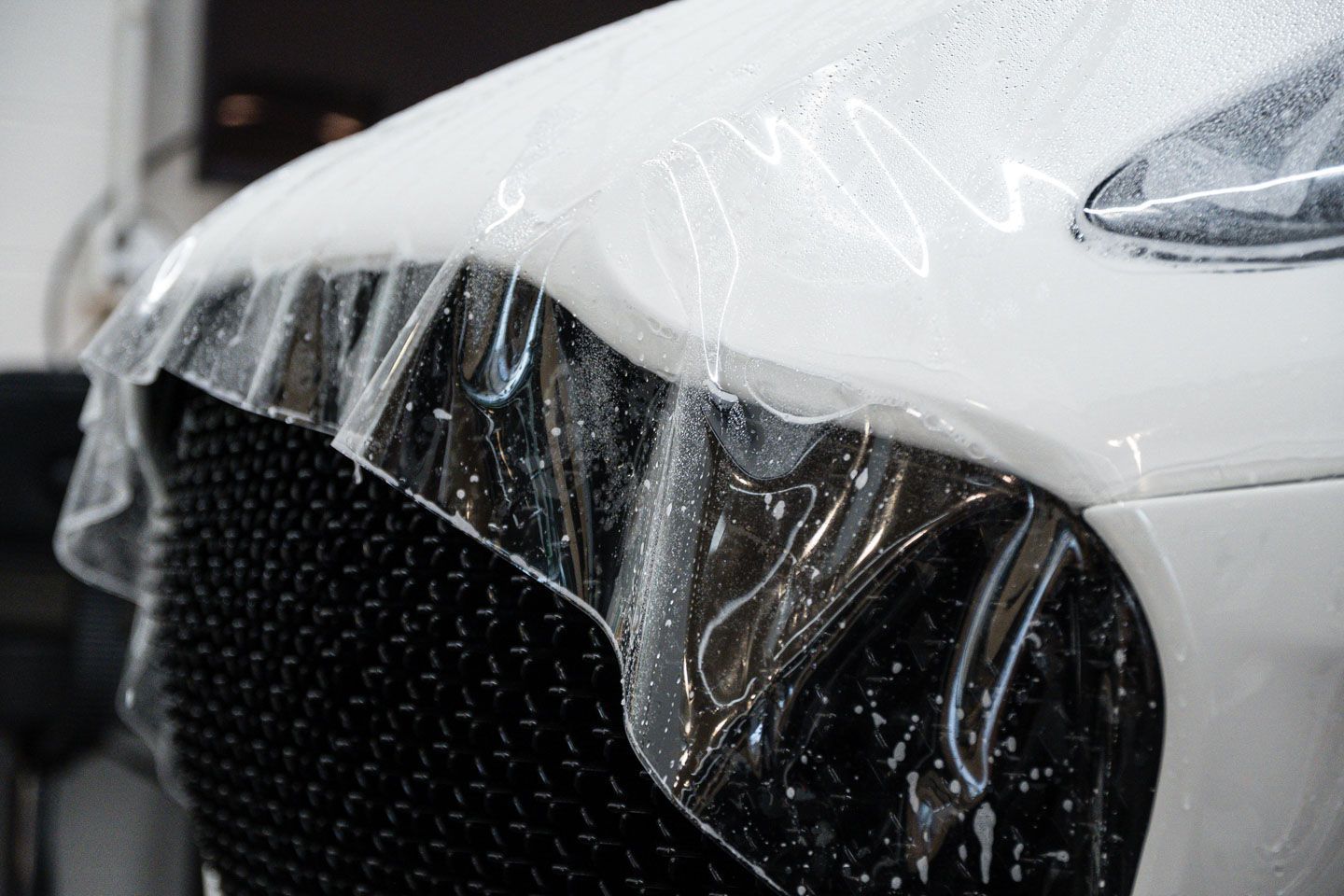
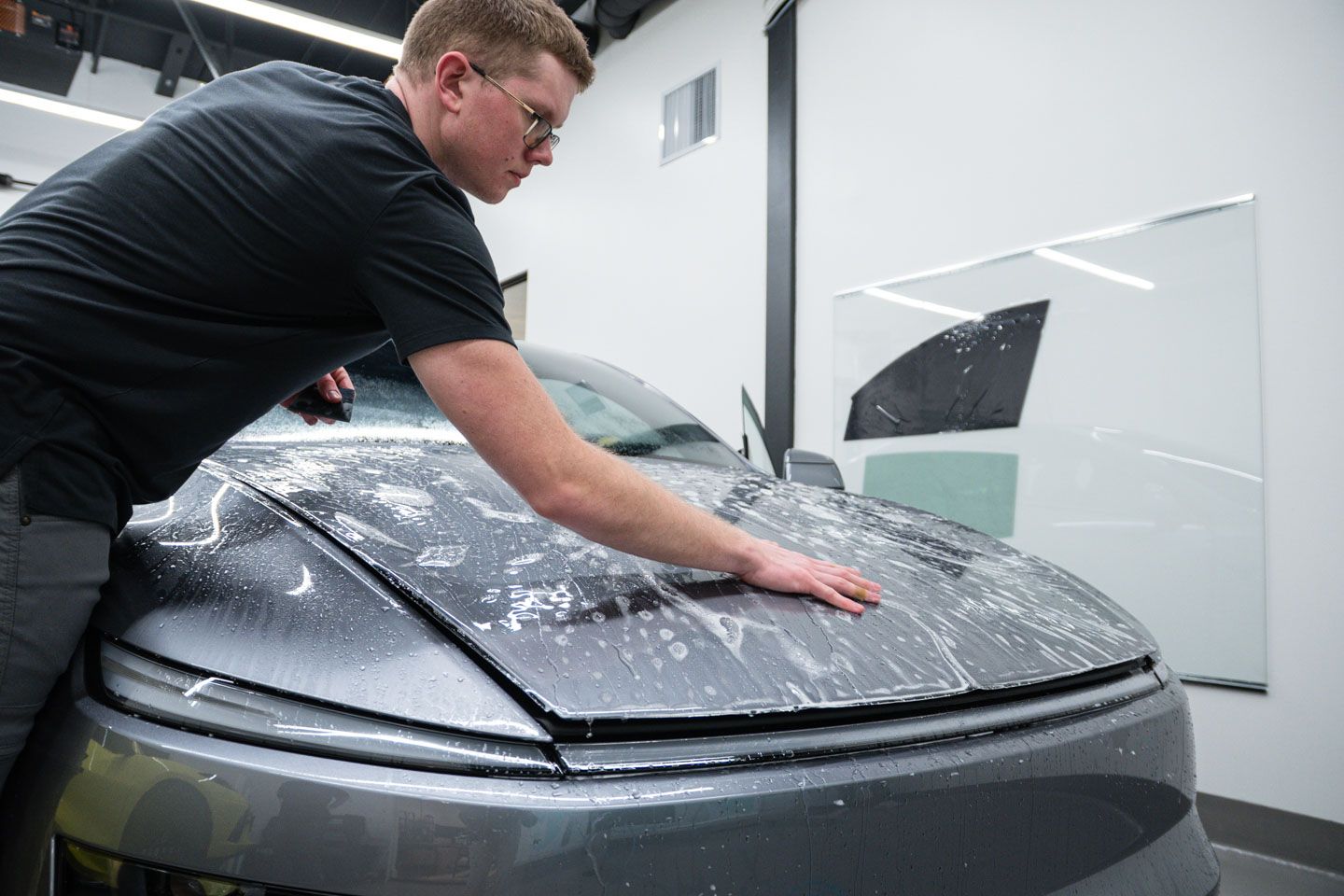
Paint protection film is a clear thermoplastic urethane layer applied directly to your vehicle's painted surfaces. It acts as a physical barrier against rock chips, road debris, bug splatter, bird droppings, minor scratches, and UV damage. Modern PPF is self-healing, meaning minor surface scratches caused by normal washing or light contact will disappear on their own with exposure to heat. It is also hydrophobic, causing water and contaminants to bead off the surface rather than sitting against the paint.
The reason coverage level matters is simple: not all surfaces on your vehicle face the same level of risk. The front end of your car takes the most punishment from road debris at highway speeds. The doors and rockers take the most punishment from parking lots. The roof and rear take less direct impact but are still exposed to UV rays, bird droppings, and environmental fallout over time.
Choosing the right coverage level means matching the protection to where your vehicle actually needs it, rather than over-buying or leaving critical surfaces exposed.
The Coverage Tiers: What Is Included at Each Level
Partial Front Coverage (Entry Level)
Panels included: front bumper, partial hood (18 to 24 inches from the leading edge), and mirror caps.
This tier focuses exclusively on the surfaces that face oncoming road debris head-on. The partial hood strip is positioned to intercept the majority of stone chips that land on the front edge, and the bumper wrap protects the most impact-prone surface on any vehicle.
For vehicles driven primarily in city traffic with limited highway exposure, this level intercepts a significant portion of rock chip risk at the lowest cost of entry.
This is the right tier for budget-conscious buyers, secondary vehicles that are not driven frequently, or owners who park in a private garage and have minimal highway mileage.
Full-Front Coverage (Our Most Popular Package)
Panels included: full hood, full front bumper, front fenders, mirror caps, and headlights.
Full-front coverage extends protection to every surface forward of the A-pillars. This is our most popular package because it matches the way most road debris actually travels. At highway speeds, chips and sandblasting hit the bumper, hood, fenders, and headlights simultaneously. Partial protection leaves fenders and headlights exposed, which means uncovered paint sitting right next to protected paint and aging differently over time.
Headlights alone cost $800 to $2,500 per assembly to replace on most modern vehicles. PPF prevents the hazing, pitting, and yellowing that make older headlights look worn even when the paint is still sharp.
This is the right tier for daily highway commuters, anyone putting 15,000 or more miles per year on their vehicle, and owners who want the best protection-to-cost ratio.
Full-Front Plus High-Impact Zones (The Upgrade Path)
Panels included: everything in the full-front package, plus rocker panels, door edges, door cups, A-pillars, and rear bumper loading area.
This tier adds protection to the second category of common vehicle damage: parking lot and daily-use wear. Rocker panels take spray from your own tires. Door edges take the hit when a door swings open in a tight space. Door cups scratch from keying and nail contact over years of use. A-pillars catch gravel at speed from the side.
For owners who want comprehensive coverage without committing to the cost of whole-car film, this tier closes the most common damage gaps at a meaningful step below full-body pricing.
This is the right tier for owners who park in public garages or outdoor lots, anyone with children who create regular door and loading-area contact, or anyone who wants near-complete coverage with more flexibility on budget.
Full-Body Coverage (Maximum Protection)
Panels included: every painted surface on the vehicle with no exceptions.
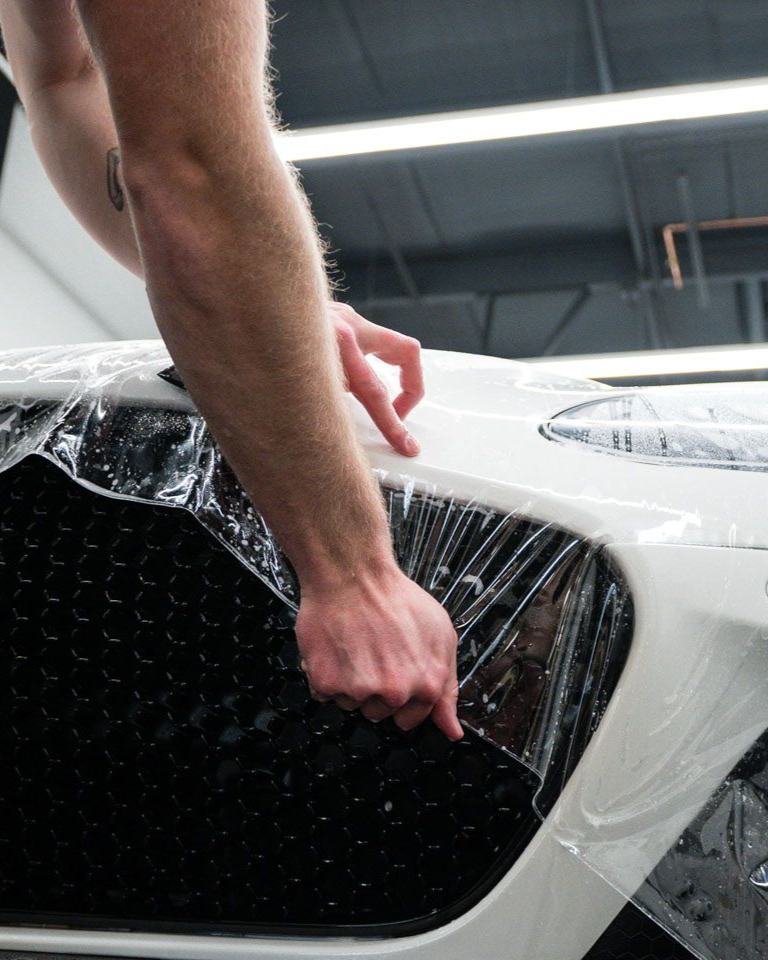
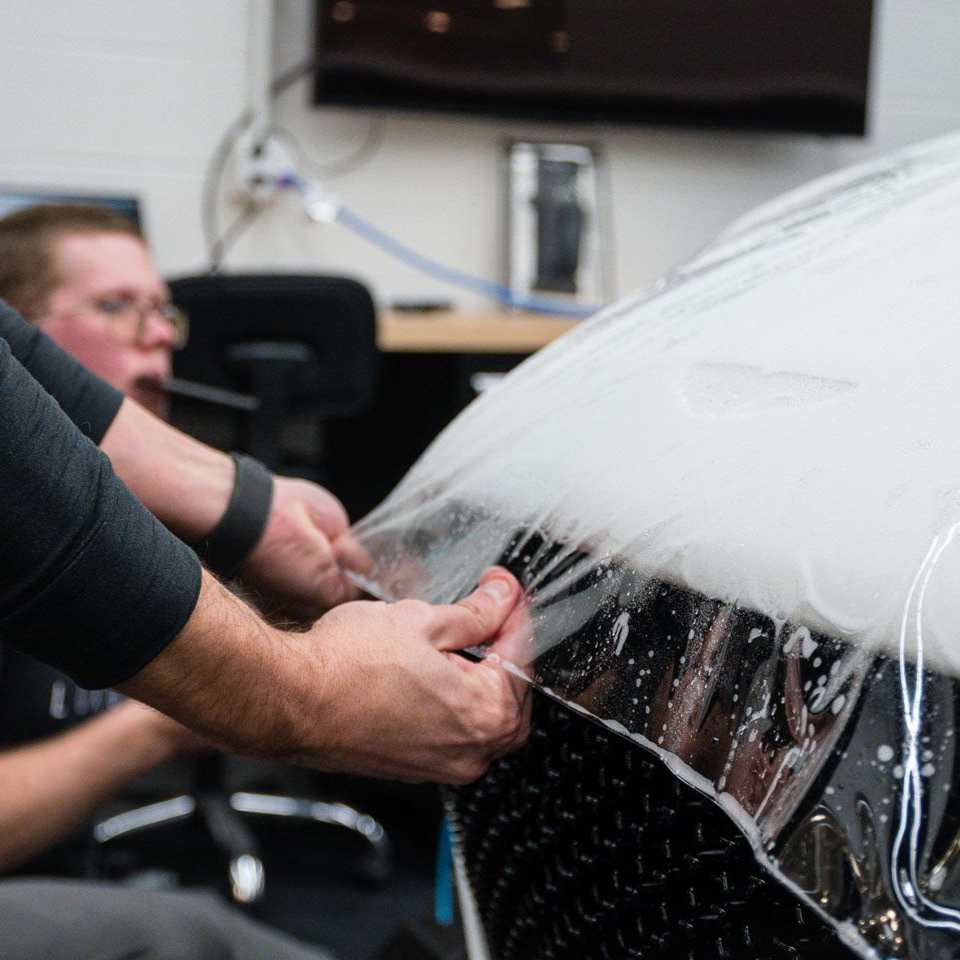
Full-body PPF wraps the hood, fenders, doors, roof, pillars, quarter panels, rear bumper, trunk lid, and all painted trim. No painted surface is left exposed. There are no coverage lines, no seams between protected and unprotected areas, and no panels aging at a different rate than the rest of the vehicle.
This is the right tier for luxury and exotic vehicle owners, anyone keeping the vehicle for five to ten or more years, owners with dark-colored or special-finish paint, leased vehicles where end-of-term paint charges are a concern, and anyone who simply wants their car in showroom condition regardless of what it encounters.
At Luxury Car Care, full-body installation is our signature service for high-value vehicles. It is the only coverage level that eliminates every category of paint damage simultaneously.
How to Choose: Five Questions to Ask Yourself
1. How much highway driving do you do?
If you commute on the highway daily or regularly drive on interstates, your front end is under constant rock chip exposure. Full-front coverage is the minimum we recommend for any vehicle that sees regular highway use. Drivers on suburban streets and local roads with minimal interstate time may find partial front adequate.
2. Where do you park?
Private garage parking reduces exposure to door dings, shopping cart strikes, and parking lot debris. Outdoor surface lots and urban parking structures create significantly more contact risk on doors, rockers, and rear bumpers. The more time your vehicle spends in public parking, the more coverage beyond the front end makes sense.
3. What color and finish does your vehicle have?
Dark colors show rock chips immediately and visibly. A chip on a black or dark navy hood stands out from twenty feet away. Lighter colors are more forgiving. Matte, satin, and pearl finishes are impossible to blend or spot-repair without repainting the entire panel, which makes damage far more costly to correct. For any matte or dark metallic finish, we recommend full-body coverage without hesitation.
4. How long are you keeping this vehicle?
If you plan to trade or sell within two to three years, full-front coverage preserves the most visible resale-relevant surfaces at a reasonable cost. If you are keeping the vehicle for five years or more, full-body coverage pays for itself over time by preventing compounding damage on every panel, reducing maintenance costs, and protecting resale value regardless of the exit timeline.
5. What would a single repair cost?
Before deciding based purely on upfront cost, consider what happens without protection. A single hood repaint on a luxury vehicle starts at $800 and frequently runs well above that once blending is factored in. Three rock chips on an unprotected hood can easily equal the cost of a full-front PPF installation. For high-value vehicles, full-body film is not just protection, it is damage cost prevention.
The Honest Cost Comparison: Full-Front vs. Full-Body
Full-front coverage costs significantly less than full-body coverage and is the better choice for many owners. We are not here to sell every customer the most expensive option.
What we do want to be clear about is the math over time. Full-body PPF on a luxury vehicle is a multi-year investment in maintaining the car in near-original condition. Every year without full coverage is a year of potential chips, swirls, UV oxidation, and door contact accumulating on exposed panels. When you eventually sell or trade the vehicle, unprotected paint shows its age in ways that reduce value.
For owners of vehicles valued at $60,000 and above, the cost difference between full-front and full-body coverage shrinks considerably relative to the total value being protected. For everyday drivers on standard vehicles, full-front is often the right call.
We give every customer an honest recommendation based on their specific vehicle, mileage, and goals, not a blanket upsell.
Why Paint Color and Finish Type Change the Equation
This is something most PPF content skips over, but it matters significantly for the vehicles we work with most often at Luxury Car Care.
Dark metallic paint, matte finishes, satin wraps, and pearl coats share one thing in common: any damage to an unprotected panel is extremely difficult and expensive to repair invisibly. A rock chip on a matte black quarter panel cannot be touched up. The entire panel typically needs to be resprayed, and blending a matte or pearl finish is notoriously difficult to execute without a visible difference between the repaired area and adjacent panels.
For these vehicles, partial protection creates a false sense of security. You protect the hood and bumper, but leave the doors, roof, and rear exposed. Those surfaces still age, scratch, and chip, and when they do, the repair cost often far exceeds what full-body coverage would have cost upfront.
If your vehicle has a dark solid color, dark metallic, matte, satin, or specialty finish, we recommend full-body coverage as the default starting point. The cost of being wrong on the coverage tier is simply too high on these vehicles.
Should You Add Ceramic Coating Over Your PPF?
Yes, and here is why.
PPF provides physical impact resistance. Ceramic coating adds a separate layer of chemical resistance, hydrophobic performance, and gloss enhancement that film alone does not deliver. When applied over PPF, ceramic coating makes the surface significantly easier to maintain, causes contaminants to release more easily during washing, and gives the film a deeper gloss finish.
We recommend ceramic coating over the entire vehicle on every PPF installation we complete, applied to both the filmed and unfilmed surfaces. This creates a uniform, protected finish across every panel and ensures consistent maintenance behavior across the whole car.
At Luxury Car Care, we offer ceramic coating packages that pair with any PPF coverage tier. Ask us about combining services for the most complete protection available.
Ready to Protect Your Vehicle?
Choosing the right coverage level comes down to your vehicle, how you drive, and your long-term ownership goals. Full-front coverage is the right answer for many drivers. Full-body coverage is the right answer for luxury vehicles, special finishes, and owners who want their paint protected completely.
If you are not sure which tier fits your situation, we are happy to walk through it with you. At Luxury Car Care, we give every owner an honest assessment based on their specific vehicle and goals, not a formula.
Contact Luxury Car Care today to schedule your PPF consultation.
Frequently Asked Questions About PPF Coverage
Can I upgrade from full-front to full-body coverage later?
Yes. Many owners start with full-front coverage and add panels over time as budget allows. Rocker panels, doors, and rear panels can be added in a follow-up installation. The film edges are blended at natural body lines so additions integrate cleanly.
Does full-front PPF look different from the rest of the car?
Properly installed PPF is nearly invisible under normal lighting. Under direct or raking light, a film edge seam may be visible where coverage stops. Full-body coverage eliminates this entirely because there are no exposed panel transitions.
How long does PPF last?
Properly installed film from a quality manufacturer lasts between five and ten years depending on film grade, climate exposure, and how the vehicle is maintained. We work with premium film brands and stand behind our installations.
Is full-body PPF worth it on a leased vehicle?
Often yes. End-of-lease paint inspections flag chips, scratches, and door contact damage that exceed normal wear. Full-body PPF prevents most of those charges and the film can be removed cleanly before turn-in. For high-trim leased vehicles, the math frequently favors protection.
What is the difference between PPF and ceramic coating?
PPF is a physical film that absorbs impact and prevents chips and scratches. Ceramic coating is a chemical bond applied on top of paint or film that resists chemical contamination, UV exposure, and water. They do different jobs and work best together. PPF without ceramic coating works well. Ceramic coating without PPF leaves the paint vulnerable to physical damage. Both together give you the most complete protection available.
The Luxury Car Care